


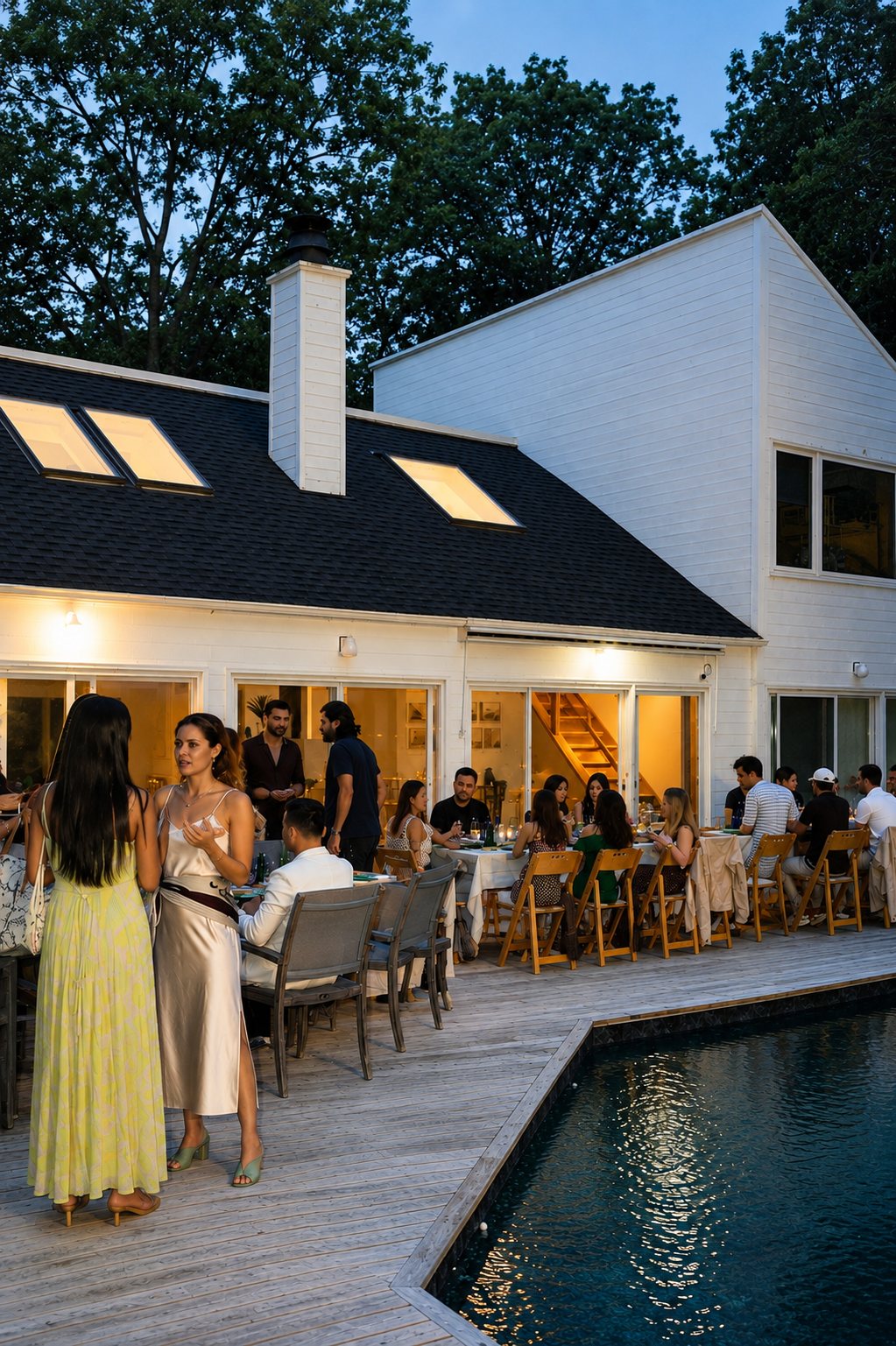
What to Decide First When Planning a Party and How Far Ahead to Start
You have a party idea. Then, almost immediately, your brain starts throwing out questions: date, menu, guest list, theme, flowers, playlist, seating, drinks, invitations, and, rudely of all, whether you should have started planning three months ago.
Most of those decisions do not need your attention yet.
Quick answer: What to decide first when planning a party is the basic shape of the gathering: the format, approximate guest count, budget, location, and date. Those choices determine almost everything else. Once they are clear, you can move into invitations, food, drinks, decor, music, and hosting details. How far ahead to plan a party depends on the size and complexity of the event.
A dinner for eight can come together in a few weeks. A milestone birthday with rentals, vendors, custom pieces, and 50 guests needs more runway. The trick is knowing which decisions unlock the next ones.
That is also where Partytrick Playbooks can help. Each Playbook gives you a pre-built plan with mood boards, products, music, tasks, timelines, and hosting guidance, so your idea can turn into an actual event plan instead of a growing list in your Notes app.
What Should You Decide First When Planning a Party?
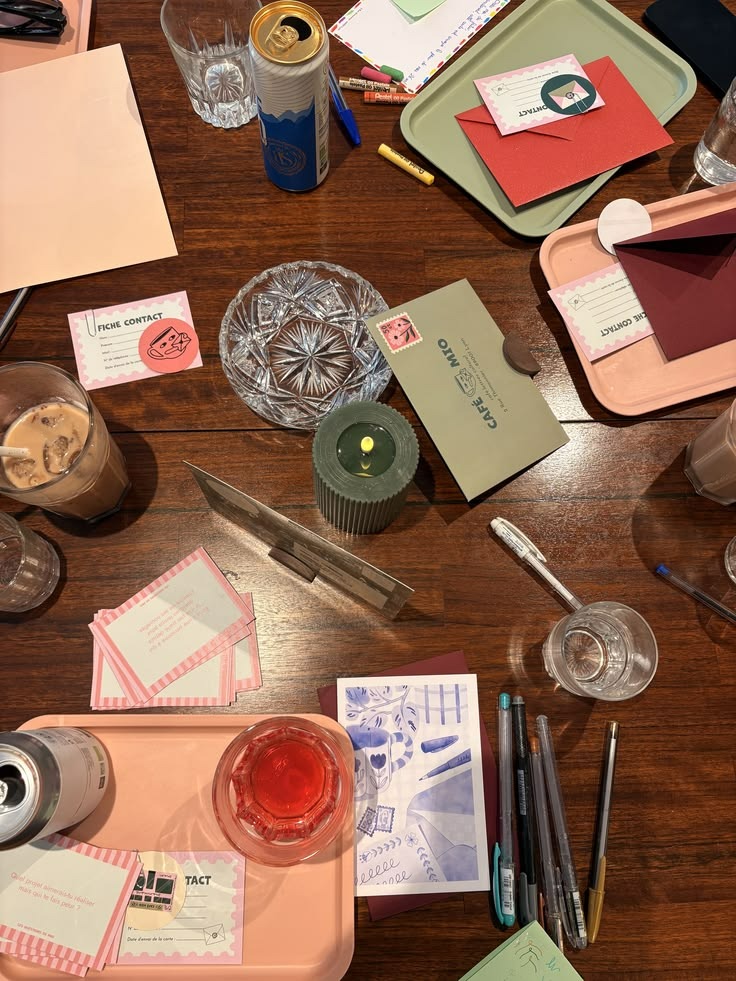
The first thing to decide is not the napkins. It is not the cocktail garnish. It is not even necessarily the theme.
Start with the basic shape of the gathering:
- Why are you bringing people together?
- Roughly who is coming?
- What kind of event is it?
- Where could it happen?
- How much time and money do you realistically want to spend?
Once those are clear, the creative details tend to fall into place. Without that clarity, they can quickly become overwhelming.
Think of party planning in two categories: foundational decisions and flexible decisions. Foundational decisions affect almost everything that follows. Flexible decisions can wait.
Foundational decisions include the date, guest count, location, budget, and format. Flexible decisions include flowers, cocktail napkins, specific menu dishes, playlist order, party favors, and decorative extras.
Those details can make a gathering feel more personal, but they should not keep you from setting the date.
Your guests need to know when to show up long before you need to know what color the napkins are.
1. What Kind of Party Are You Actually Hosting?
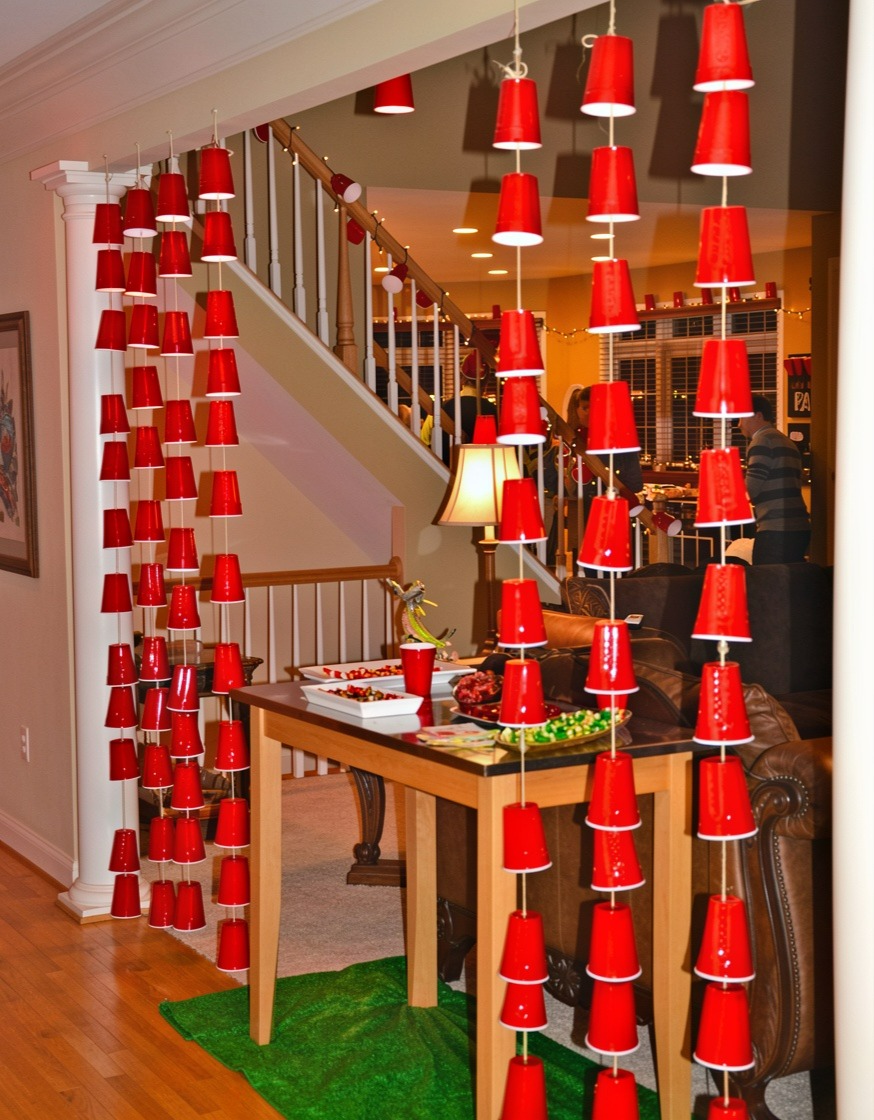
Do not begin with a theme. Begin with the format.
A theme can be fun, but the format does the real planning work. It tells you what people expect, how long they might stay, what kind of food makes sense, and how much setup you are taking on.
A few examples:
- Dinner for eight
- Afternoon birthday party
- Backyard barbecue
- Cocktail night
- Book club brunch
- Open house
- Kids’ birthday
- Casual Friday night with friends
- Dessert and drinks
- Game day gathering
A dinner party asks for a table plan, timing, food that can be served together, and probably a smaller guest list. A backyard barbecue gives you more flexibility with seating, timing, and food. An open house changes the whole rhythm because people can arrive and leave at different times.
This is why choosing the format first matters. It helps you avoid planning a party that looks beautiful online but doesn't make sense for your home, time, budget, or actual life that week.
If you have the idea but not the plan, browse Partytrick Playbooks for ready-made gathering ideas you can customize. A Playbook can help turn a loose thought, like having people over before the game or hosting a simple brunch, into a full plan with timing, products, music, and tasks already organized.
2. Should You Choose the Party Date or Theme First?
Usually, choose the date before committing to the theme.
The date affects who can attend, where you can host, what season you are working with, what the weather may be doing, how much planning time you have, and what products or ingredients are realistically available. It also tells you whether vendors, rentals, or shipped items are even worth considering.
A theme should shape the event. It should not prevent the event from happening.
There are exceptions. Sometimes the occasion determines the date, or at least narrows it for you. A Halloween party, Kentucky Derby gathering, graduation, holiday dinner, birthday, Super Bowl party, or seasonal dinner party already has timing built into the idea.
Here is the simplest rule:
If the event is tied to a specific occasion, start with the occasion. If the goal is simply to gather, start with the date. Then choose the creative direction.
This keeps you from getting stuck in inspiration mode. A coastal grandmother brunch board is not especially helpful if no one is free the weekend you imagined it. A date gives the party somewhere to land.

3. How Many People Are You Inviting?
You do not need the exact guest list right away. You do need a range.
There is a meaningful difference in planning between six friends for dinner, 25 people for cocktails, and 50 guests for a milestone birthday. Guest count affects almost every major choice: location, food, drinks, seating, rentals, budget, invitations, cleanup, and whether you need extra help.
At the beginning, choose a practical estimate.
“About 10 to 12 people” is enough information to keep planning. So is “closer to 30 than 15.” You can refine the list later, but the range helps you make better decisions now.
It also protects you from planning two different parties at once. A dinner for 10 and a cocktail gathering for 30 are not the same event. They can both be thoughtful, but they need different plans.
The Ultimate House Party Checklist is a helpful companion. Use the checklist to keep track of what needs to get done, while this guide helps you decide what to prioritize first and when to move through each stage.
4. Where Will the Party Happen?
Location is one of the first decisions because it can be the most time-sensitive.
You may be hosting:
- At home
- In the backyard
- At someone else’s home
- In a restaurant
- At a rented venue
- In a park
- At another destination
If you need to reserve the space, make this decision earlier. Restaurants, private rooms, venues, parks, and rental spaces may have availability limits, deposits, capacity rules, or deadlines.
If you are hosting at home, you usually have more flexibility. That does not mean there is nothing to plan. It just means you can spend more time thinking about flow, seating, cleanup, serving space, and where each part of the party should happen.
A good location decision is not just “where is it?” It is “does this space make the gathering easier or harder?”
5. What Are You Comfortable Spending?
You do not need a 14-tab spreadsheet. You do need a rough number.
Before you shop, decide whether this is closer to:
- A $100 casual dinner
- A $300 backyard party
- A $1,000 milestone celebration
- A larger event requiring vendors or professional support
The number does not need to be perfect. It needs to be honest enough to guide the next decisions.
Then choose your top two priorities. Maybe it is great food and simple flowers. Maybe it is a beautiful table and catered appetizers. Maybe it is signature drinks and an easy dinner. Maybe you want to keep the setting simple and spend more on entertainment.
A budget is not there to make the party feel smaller. It helps you decide where the party should feel most considered.
How Far Ahead Should You Start Planning a Party?
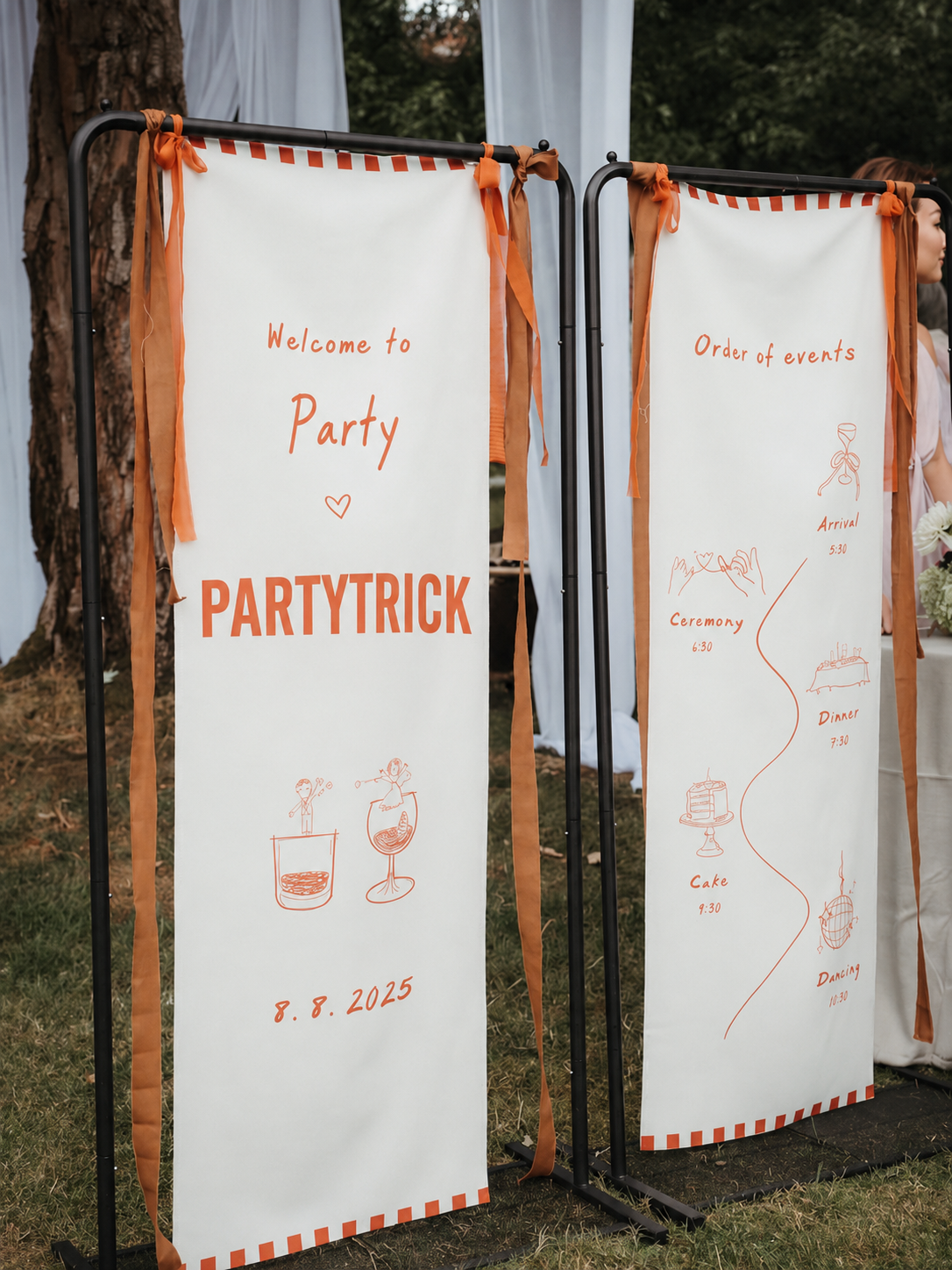
How early you should plan a party depends on what you are trying to pull off.
For most casual gatherings, one month is enough time. For larger events with venues, vendors, rentals, custom orders, or a longer guest list, two to three months gives you more options. If you have two weeks or less, choose a simpler format and move quickly.
A longer runway mostly expands what is possible. It does not decide whether the gathering will feel thoughtful.
If You Have Three Months
A three-month party planning timeline is useful for gatherings with more moving parts.
This might include:
- Milestone birthdays
- Graduation parties
- Showers
- Larger anniversary celebrations
- Events requiring a venue
- Parties involving caterers, rentals, entertainment, or custom orders
Around three months out, focus on the major structure: format, date, rough guest count, budget, location or venue, major vendors, and overall concept.
Two months out, move into the guest list, invitations, menu direction, rentals, entertainment, larger decor decisions, and custom items.
One month out, shift into RSVPs, final menu, shopping, setup plans, smaller decor, playlist, activities, and the party timeline.
The final week is for execution: food, drinks, cleaning, setup, final confirmations, and the day-of task list.
Three months gives you more choices, not automatically a better party. It lets you book popular vendors, order custom pieces, accommodate more guests, and change direction without creating chaos.
If You Have One Month
A one-month party planning timeline is plenty for many home gatherings.
This includes dinner parties, backyard barbecues, birthdays at home, girls’ nights, cocktail parties, book clubs, brunches, casual showers, and smaller celebrations.
Four weeks out, focus on the decisions that make the party real: the format, date, location, budget, and guest list. Once those pieces are in place, send the invitation and let your timeline guide what happens next rather than trying to map out every task from scratch. For a helpful host perspective, Jamie Han is a natural companion read because their approach reinforces how small hosting rituals can support the guest experience once the bigger planning decisions are in place.
Three weeks out, choose the menu, drinks, theme or creative direction, any activities, and any products or supplies to order.
Two weeks out, handle decor, tableware, serving pieces, special orders, playlist, and hosting logistics.
One week out, finalize RSVPs, groceries, drinks, prep schedule, seating, setup plan, and anything guests need to know.
The day before and day of, stop redesigning the party. Move into execution.
If you are using a Partytrick Playbook, the built-in timeline is especially helpful. Instead of wondering what should happen now, you can follow the task list based on the kind of gathering you chose.
Skip building the timeline from scratch. Start planning your Partytrick event for free.
If You Have Two Weeks or Less
Yes, you can plan a party in two weeks.
You just need to simplify the format.
Good options include:
- Dinner with friends
- Drinks and appetizers
- Pizza night
- Backyard barbecue
- Dessert party
- Game night
- Potluck
- Sunday brunch
Avoid anything that depends on elaborate custom decor, complicated DIY projects, large vendor teams, menus with six new recipes, or shipping that might not arrive in time.
Decide immediately:
- Date
- Guest count
- Location
- Format
- Invitations
Then choose food and setup based on what is realistically available.
This is a good moment to lean on an easy Playbook, especially something casual and flexible like a game day gathering, backyard hang, brunch, or drinks-and-snacks format. Starting with a pre-built plan removes much of the conceptual work, which is exactly what you do not have time for.
What Changes Between a One-Month and Three-Month Party?
A three-month runway gives you time for:
- Booking popular venues
- Working with caterers or vendors
- Ordering custom products
- Coordinating larger guest lists
- Sending formal invitations
- Creating more involved decor
- Planning bigger DIY projects
- Changing direction
One month is usually enough for:
- Home dinner parties
- Brunch
- Cocktail gatherings
- Backyard parties
- Book clubs
- Casual birthdays
- Smaller celebrations
- Parties built from a Partytrick Playbook
The difference is not care. You can host something warm, generous, and memorable with either timeline.
The difference is complexity. Three months supports more moving parts. One month rewards clarity. Two weeks asks you to make decisions and stop auditioning ideas.
What Decisions Can Wait?
Some decisions feel urgent because they are visible. That does not mean they need to happen first.
You do not need to decide these right away:
- Specific flowers
- Napkins
- Playlist
- Cocktail garnish
- Party favors
- Exact menu dishes
- Place cards
- Decorative accessories
- Dessert presentation
- Photo moments
These are the finishing details. Lovely, useful, sometimes very fun, but still finishing details.
Set the date. Invite the people. Decide the format. Choose the location. Know your budget. Once those pieces are in place, the smaller choices become easier because they have context.
A playlist for a backyard barbecue is different from a playlist for a seated birthday dinner. Napkins for pizza night and napkins for a shower are not solving the same problem. Let the party tell you what it needs.
Let the Timeline Tell You What to Do Next
One of the hardest parts of party planning is not knowing whether something needs to happen today, next week, or the morning of the party.
That uncertainty is what makes planning feel bigger than it is.
Partytrick helps by turning the gathering into a timeline. Playbooks include pre-loaded tasks based on the type of event, along with planning guidance, product recommendations, playlists, menus, and reminders. Instead of building a schedule manually, you can choose a Playbook, customize it for your gathering, see your tasks, track RSVPs, organize shopping, and know what needs your attention next.
That is the difference between having advice and having a plan.
Advice tells you to send invitations. A timeline tells you when to send them, what to decide before you do, and what can wait until later.
What to Decide First When Planning a Party
Use this checklist when you are still at the starting line.
- Decide what kind of gathering you want to host.
- Determine whether the occasion dictates the date.
- Choose the date or a few possible dates.
- Estimate how many guests you want to invite.
- Decide where the gathering will happen.
- Set a comfortable overall budget.
- Send the invitation.
- Choose the creative direction or theme.
- Plan food and drinks.
- Build the rest of the party around your timeline.
Once those first six decisions are made, most of the fun details become significantly easier to choose.

What Is the First Thing You Should Decide When Planning a Party?
Start by deciding what type of gathering you want to host and why you are bringing people together. From there, establish the date, approximate guest count, location, and budget before moving into food, decor, or entertainment.
Should You Choose the Party Date or Theme First?
Usually, choose the date first. If the gathering is tied to a specific occasion such as Halloween, graduation, a birthday, or a holiday, the occasion may determine both. For a general gathering, choosing the date first makes the rest of the planning easier.
Is One Month Enough Time to Plan a Party?
Yes. One month is enough time for many home gatherings, dinner parties, birthdays, brunches, cocktail nights, and backyard events, particularly when the venue and major vendors do not need to be booked months in advance.
How Early Should You Start Planning a Big Party?
For events with larger guest lists, venue rentals, caterers, entertainment, or custom products, starting approximately two to three months in advance gives you more options and scheduling flexibility.
Can You Plan a Party in Two Weeks?
Yes. Choose a simple format, invite guests quickly, and prioritize food, drinks, and atmosphere over custom decor or complicated DIY projects. Two weeks is not the moment for a brand-new craft station, a formal seated dinner for 40, and six shipped decor pieces with vague delivery windows.
How Can I Create a Party Planning Timeline?
You can create a party planning timeline by working backward from the party date and listing what needs to happen each week. Start with the date, guest count, location, invitations, food, drinks, setup, and final prep.
Or, use Partytrick. Playbooks include customizable task lists and planning timelines, so you do not have to decide from scratch what happens now, later, and the day of the party.
You Do Not Need the Whole Party Figured Out Today
You just need to make the next decision.
Choose the gathering. Set the date. Invite the people you want there. Let the rest take shape from there.
Partytrick gives you the Playbook, timeline, tasks, products, menus, playlists, and planning tools to turn your idea into something people can actually show up to, so you can start planning for free.
More articles

Why Planning a Gathering Can Feel Overwhelming and How the Right System Helps
Learn why hosting can feel overwhelming and how a clear timeline, practical checklist, and Partytrick Playbook can reduce last-minute stress and help you stay present with your guests.
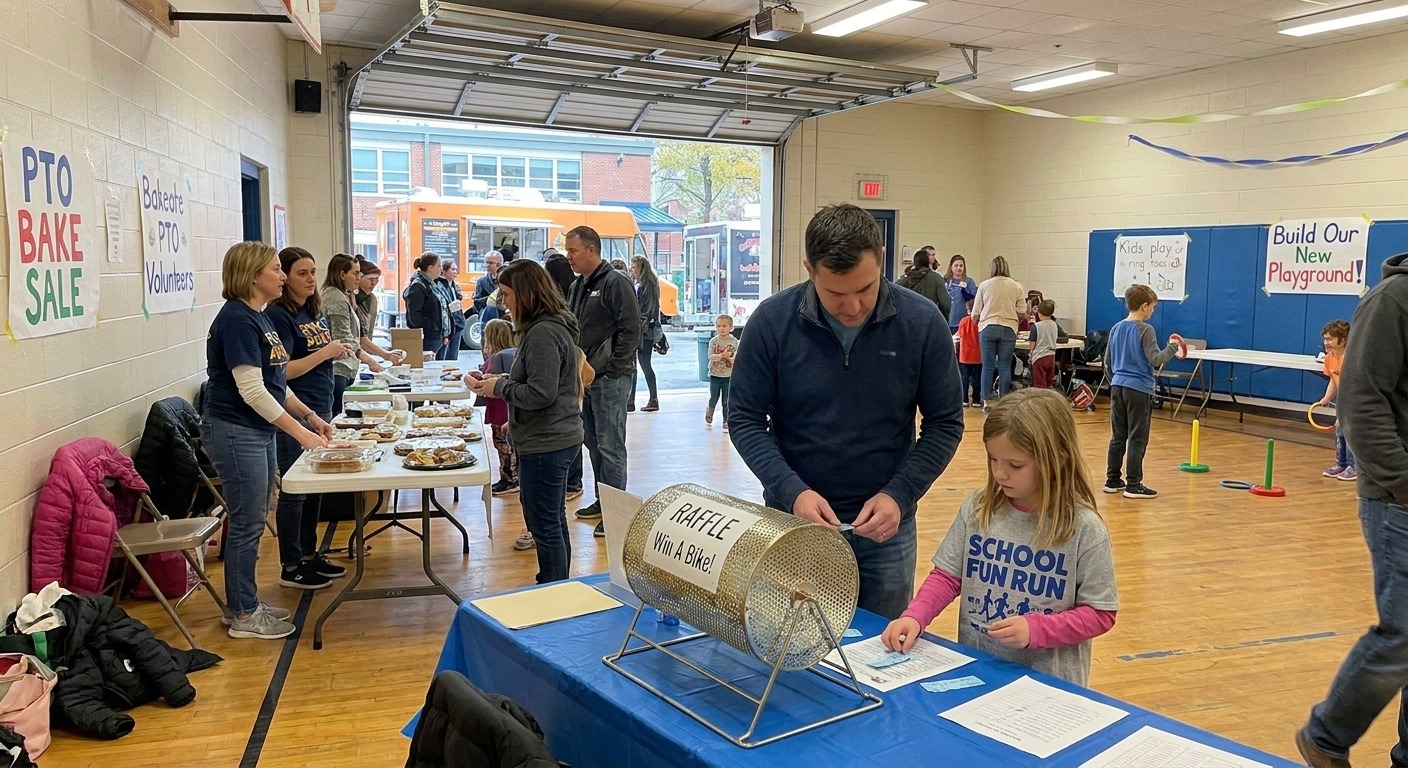
How to Organize a School Fundraiser That People Actually Show Up For
This guide shows PTO leaders and school volunteers how to plan a school fundraiser families genuinely want to attend by focusing on community, convenience, and a thoughtful guest experience.
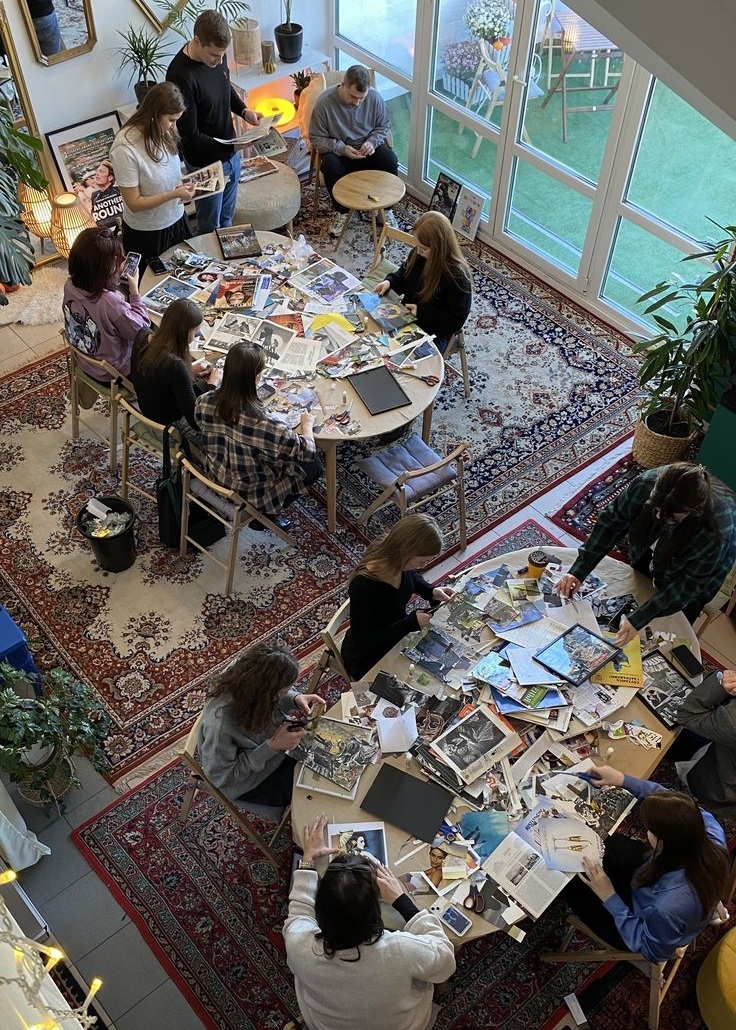
How to Start a Monthly Parents’ Night In
A monthly parents’ night in gives neighbors and school families an easy, low-pressure way to stay connected throughout the school year. With a small group, a recurring date, and a simple format, it can grow into a tradition that helps build real community over time.

Sign up for expert tips, exclusive content, and the 411 on the latest parties—all straight to your inbox.
Your shortcut to stress-free hosting
Spend less time coordinating and more time actually connecting.