


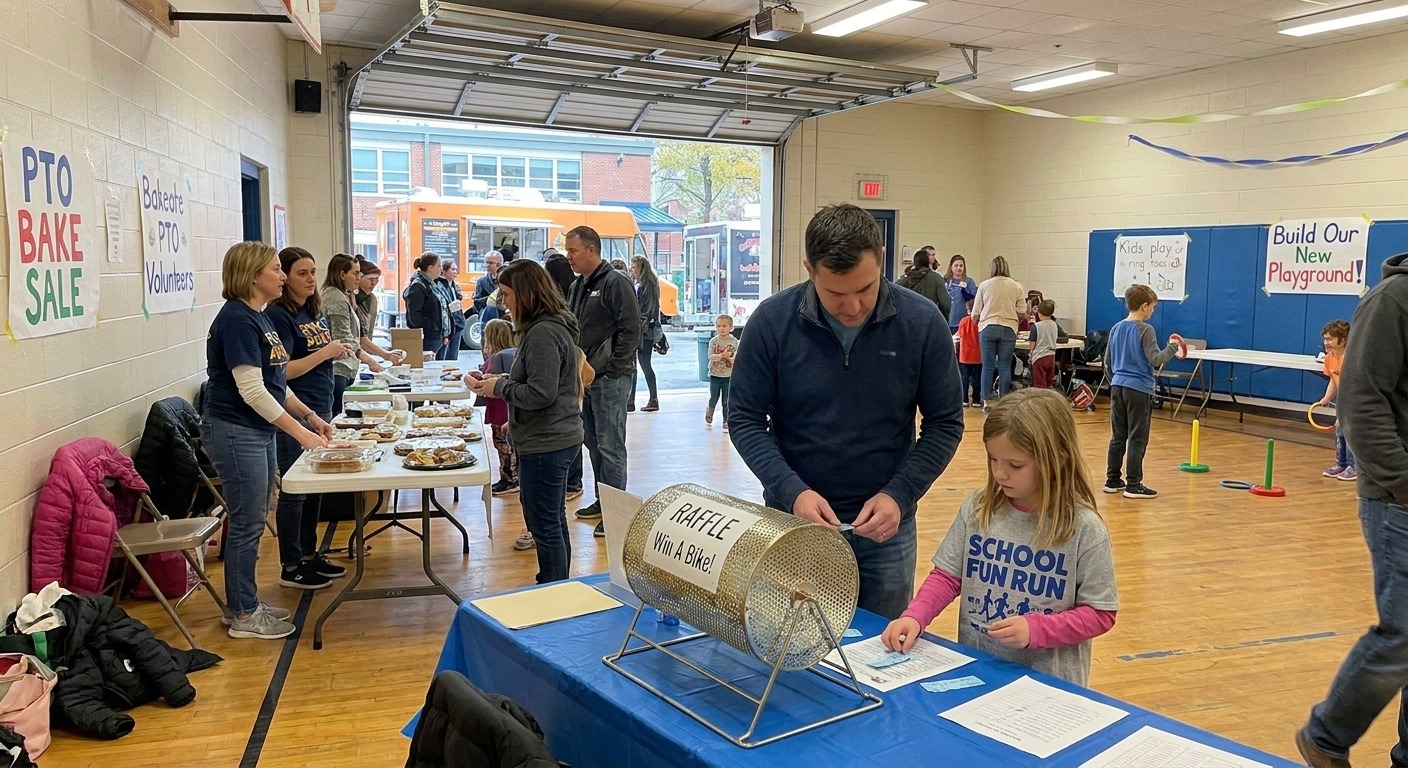
How to Organize a School Fundraiser That People Actually Show Up For
Every school wants a fundraiser to raise money. That part is clear. The harder part is creating a school fundraiser families are genuinely glad they made time for.
Parents are busy. Weeknights fill up quickly. Weekends are often claimed by sports, errands, birthday parties, and the quiet hope of having a little breathing room. So when a PTO, room parent, or school volunteer asks families to attend one more event, the experience has to feel worth it.
The most successful school fundraisers do more than collect donations or sell tickets. They give families a reason to come together. They help parents meet each other, give kids something to look forward to, and make the school feel like a community rather than just a place everyone passes through at pickup and drop-off.
That shift matters. When families feel welcome, considered, and connected, they are more likely to participate, contribute, and return next time. The fundraising becomes a natural outcome of a thoughtful event, not the only reason anyone showed up.
If you are looking for school fundraiser ideas that feel practical, warm, and well-attended, start with the guest experience first.
Start With the Experience, Not the Fundraising Goal
It is natural to begin planning a school fundraiser with a financial target. Maybe the school needs new playground equipment, classroom supplies, field trip support, arts programming, or funds for a specific grade-level project.
That goal matters. But it should not be the only thing guiding the event.
Before choosing the format, think about why families attend school events in the first place. Most are not looking for another obligation. They are looking for a simple way to spend time with their kids, connect with other parents, support their school, and feel part of something that matters.
A fundraiser is more likely to succeed when it addresses a real need in the community. A family movie night offers parents an easy outing that requires little planning. A fall festival gives kids room to play and gives families a seasonal tradition. A parent social creates space for adults to meet outside the rushed rhythm of school pickup. A community dinner makes the school feel welcoming across grades, classrooms, and friend groups.
The question is not only, “How will this raise money?” It is also, “Why would a family want to be here?”
That answer should shape the event. If the fundraiser feels like a celebration, families are more likely to arrive with energy instead of a sense of duty. If there is something for kids to do, parents have more room to relax. If the event is easy to understand and enjoyable to attend, the ask feels softer and more natural.
People remember how an event felt. When they leave having had a good time, they are more likely to support future PTO fundraiser ideas, talk about the event with other families, and say yes the next time volunteers need help.
For more on building community at the start of the school year, Partytrick’s guide on why back-to-school is one of the best times to do so is a helpful companion read.
Choose a Fundraiser That Fits Your School Community
There is no single best school fundraising event. The right choice depends on your school’s size, schedule, culture, budget, and the families you are hoping to reach.
A small elementary school may do well with a casual community dinner where everyone can gather. A larger school may need something more flexible, like a holiday market or fall festival with stations families can move through at their own pace. A community with many working parents may prefer a weekend event. A school with older students may have more success with a trivia night, silent auction, or parent social.
Start by looking at what has worked before.
Which events had strong attendance? Which ones had enough volunteers? Which ones felt manageable behind the scenes? It is helpful to keep traditions families already love, but you can still refresh them with better flow, clearer communication, or more thoughtful details.
A few school fundraiser ideas to consider:
- Family movie night: Simple, familiar, and easy for younger families to attend. Sell tickets, snacks, or reserved picnic spots.
- Fall festival: A flexible option with games, food, music, and activity stations. This can work well when many volunteers are available.
- Trivia night: A good fit for parent-focused fundraising, especially when paired with food, drinks, raffle prizes, or team tables.
- Silent auction: Best when your school has strong local business connections and enough lead time to gather donations.
- Parent social: A more relaxed option that gives adults a reason to connect while supporting the school.
- Fun run: Active, kid-friendly, and often easy to tie to classroom participation.
- Community dinner: Warm, accessible, and especially effective when the goal is to build connections across grades.
- Holiday market: Useful for schools with maker families, local vendors, or a community that likes seasonal shopping.
The goal is to choose a format families can immediately understand. If the event requires too much explanation, it may be harder to promote. If it feels familiar but thoughtfully planned, families can picture themselves attending.
A good fundraiser should also match the energy of your volunteer team.
A large festival sounds wonderful, but only if you have enough people to manage activities, food, setup, and cleanup. A smaller event done well will always feel better than an ambitious event that leaves everyone stretched too thin.
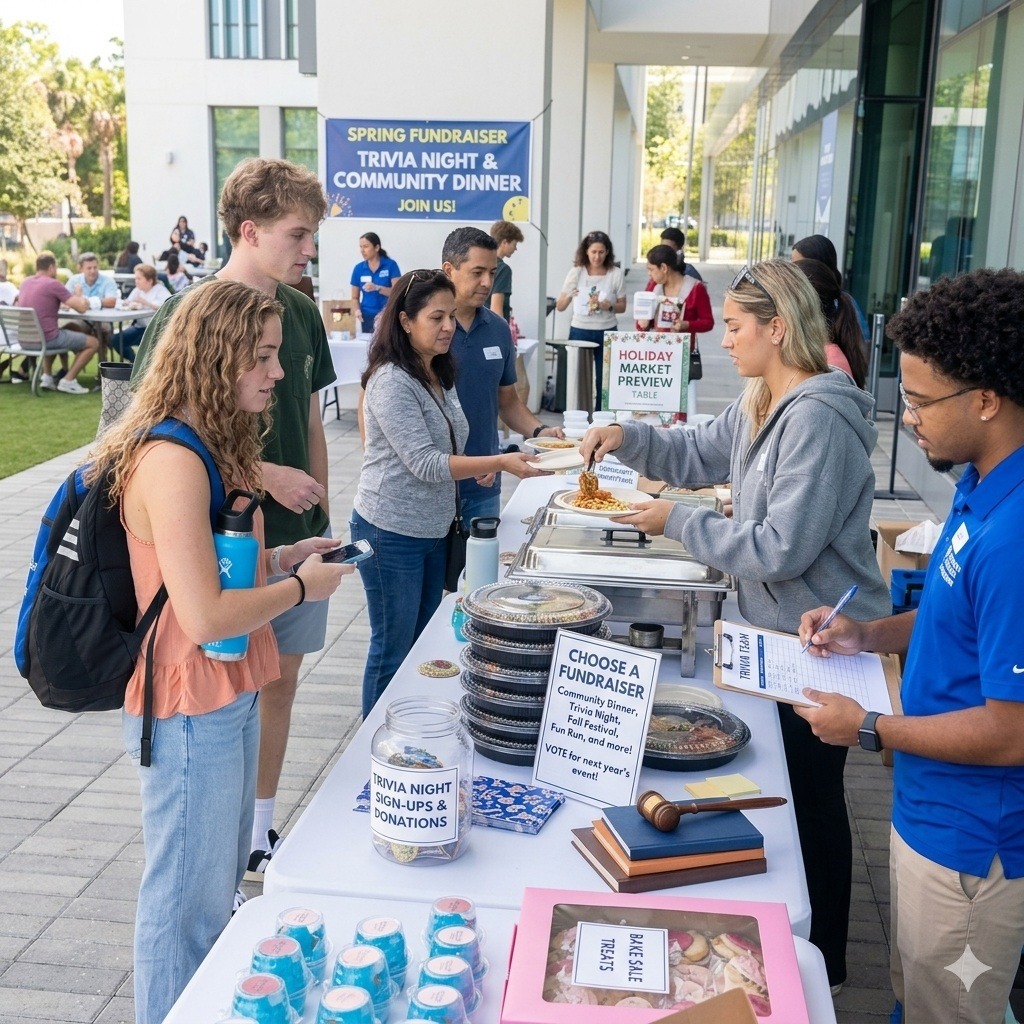
Make It Easy for Families to Attend
Attendance often comes down to convenience. Families may want to support the school, but if the date is difficult, the cost feels high, or the logistics are unclear, they may skip it.
Start with the calendar. Before choosing a date, check for major school events, sports schedules, holidays, testing periods, and community conflicts. You may not avoid everything, but you can reduce the obvious barriers.
Then think carefully about time of day. A Friday evening movie night may feel easy for families who want a casual end to the week. A Saturday morning fun run may work better for younger kids. A parent trivia night may need to start after bedtime routines or include enough notice for childcare planning.
Affordability matters, too. Ticket prices should feel approachable, especially if the event is meant to bring the whole school together. If possible, offer family pricing, suggested donations, or a few ways to participate at different levels. A fundraiser should support the school without making families feel excluded.
For family-friendly events, consider what will make it easier for parents to attend. This might include simple activities for kids, a quiet corner for younger siblings, stroller-friendly paths, or food options that make dinner one less thing to solve that night. If the event is adult-focused, be clear about whether children are invited or whether childcare is available.
Parking and arrival also shape the experience. Tell families where to park, which entrance to use, where to check in, and whether they need tickets or cash. If guests arrive confused, they begin the event slightly stressed. If they arrive knowing exactly where to go, the whole experience feels more welcoming.
Clear communication removes hesitation. Families should know:
- What the event is
- Who it is for
- When to arrive
- What to bring
- Whether food is available
- How much it costs
- How the fundraiser supports the school
The easier it is to say yes, the more likely families are to show up.
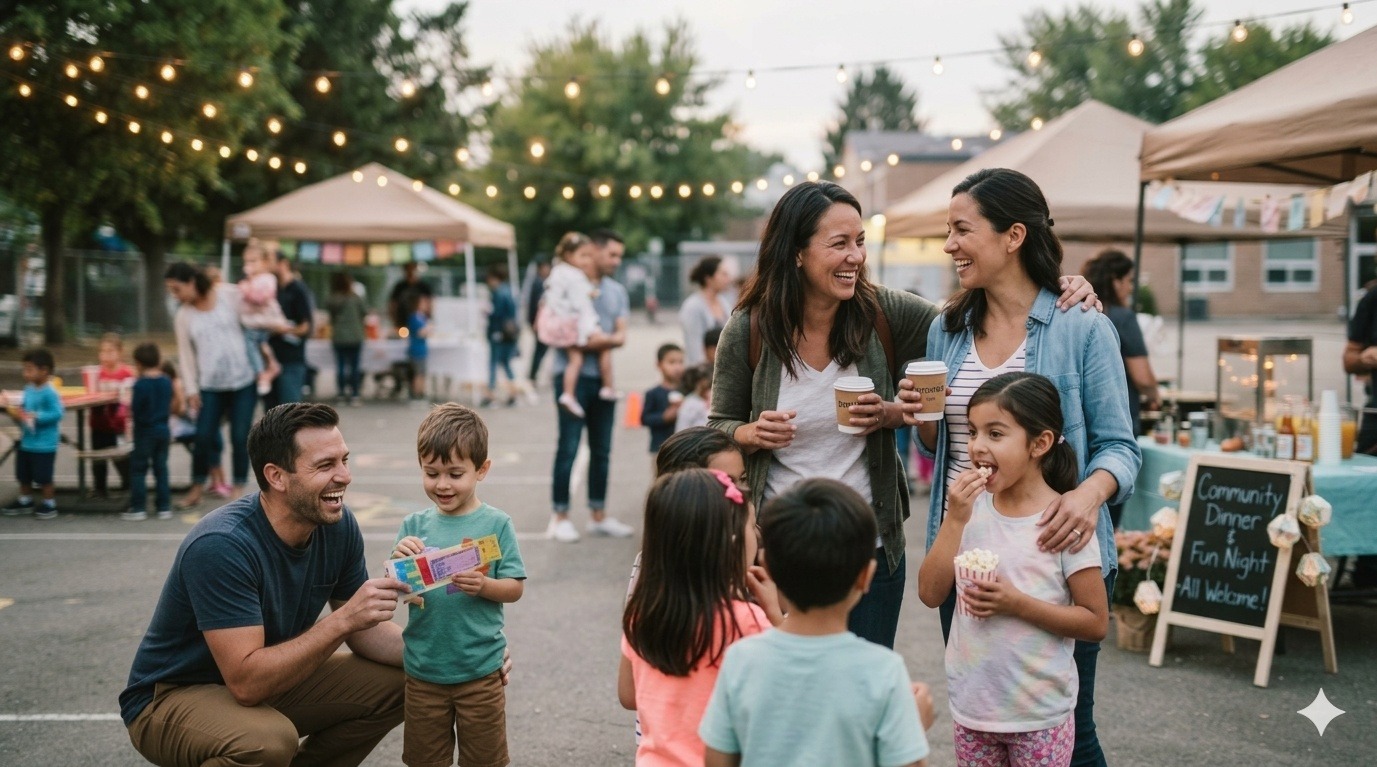
Build a Volunteer Team Early
No one person should have to carry an entire fundraiser. Even a simple event has many moving parts, and shared ownership makes the planning more sustainable.
Begin by identifying the main areas of responsibility. Most fundraising event planning includes some version of:
- Event lead
- Volunteer coordinator
- Food and beverage lead
- Activities or entertainment lead
- Sponsorship or donation lead
- Communications lead
- Setup team
- Registration or ticketing team
- Cleanup team
Specific roles are easier to fill than general requests. “Can someone help with the fundraiser?” is broad and easy to ignore. “Can you manage the snack table from 5:30 to 6:30?” feels clear and doable.
The same is true for planning roles. A parent may not be able to co-chair the entire event, but they may be happy to coordinate raffle baskets, design flyers, organize classroom volunteers, or manage the welcome table.
Keep planning meetings short and focused. Volunteers are more likely to stay involved when they know their time will be used well. A shared planning document can help everyone track timelines, assignments, vendor contacts, donation lists, and open questions without relying on long email chains.
It also helps to build a simple planning timeline. Work backward from the event date and note when each decision needs to happen: booking space, confirming food, requesting donations, ordering signage, sending save-the-dates, recruiting volunteers, and preparing day-of materials.
Collaboration is part of the event experience, too. When more families contribute, the fundraiser feels less like a PTO project and more like a community effort.
Create an Event People Want to Talk About
A memorable fundraiser does not need to be elaborate. It needs to feel considered.
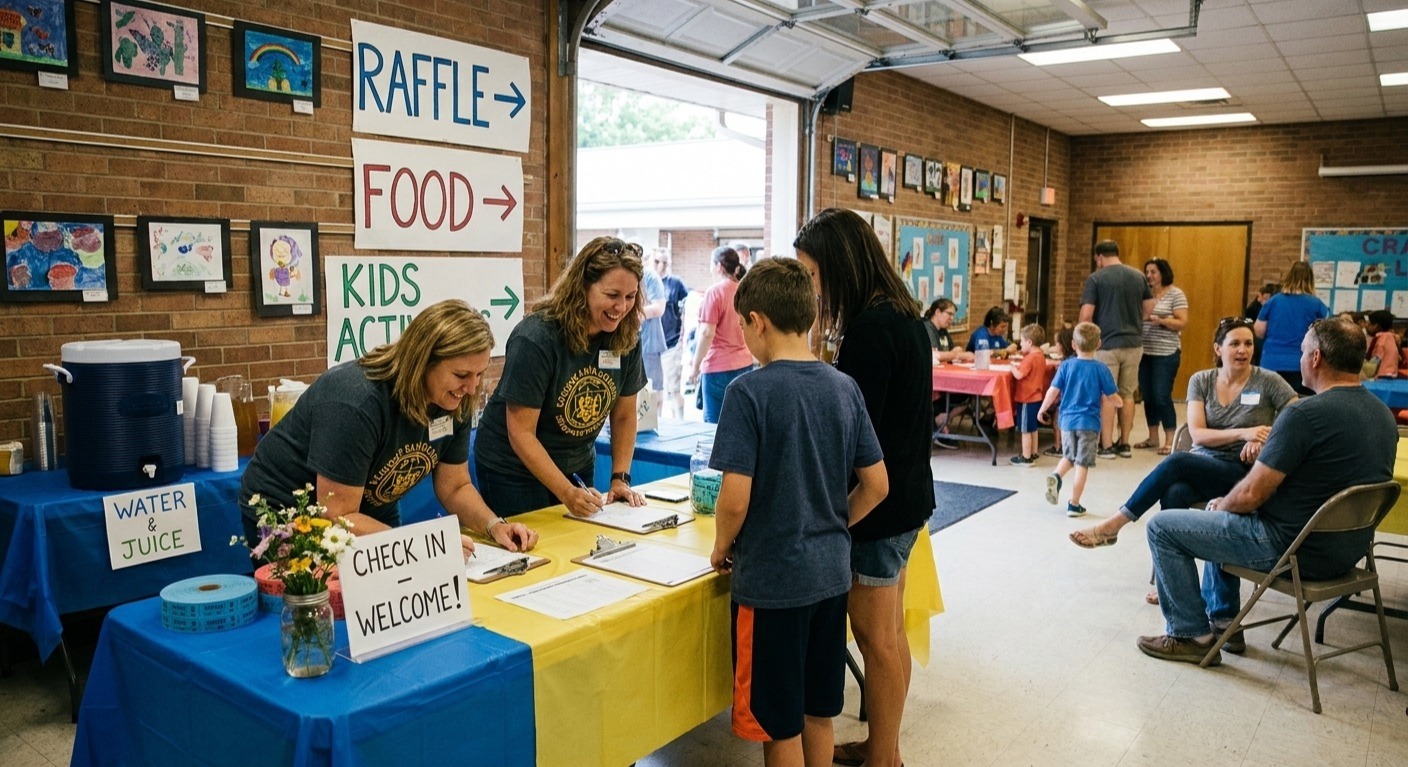
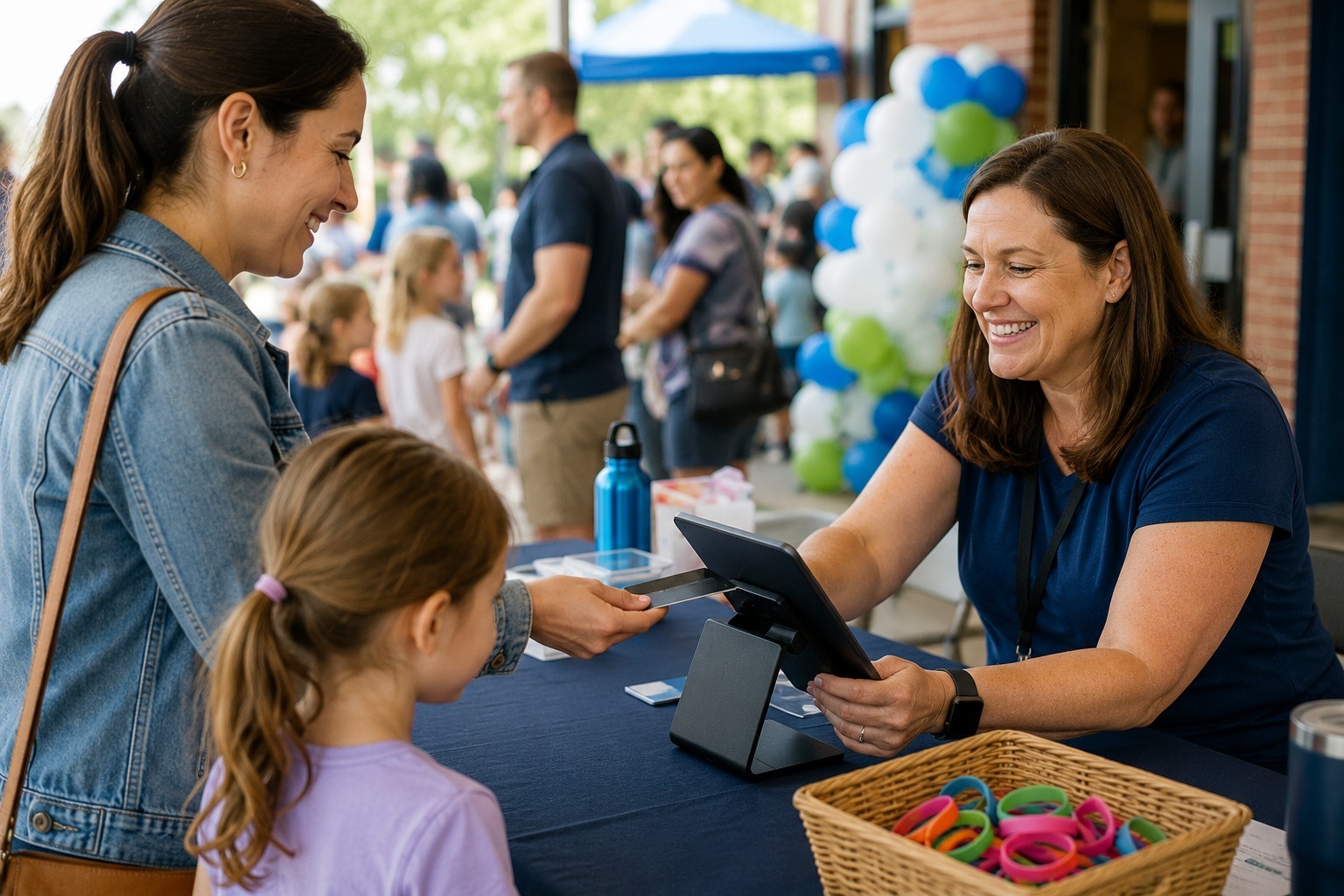
Start with the entrance. The first few minutes tell guests what kind of event they have arrived at. A welcome table, clear signage, friendly volunteers, and a simple check-in process can make even a school gym feel warm and organized.
Signage is especially useful at school events because guests are often moving through familiar spaces in unfamiliar ways. Use signs to show where to check in, buy raffle tickets, get food, find bathrooms, and start activities. For larger events, printed foam board signs from a source like VistaPrint can help the event feel easier to navigate and more polished without requiring complicated décor.
Think about comfort next. Are there places for parents to sit? Can grandparents or younger siblings take a break? Is there enough lighting? Is the music adding energy without making conversation difficult? These details are easy to overlook, but they shape how long people stay.
Décor can be simple. A few school-color tablecloths, flowers on registration tables, handmade student artwork, or a seasonal backdrop can create a sense of occasion without turning the event into a production. The goal is not perfection. It is to make the space feel cared for.
Activities should encourage connection. For kids, that might mean carnival games, a craft table, a dance area, or a simple scavenger hunt. For adults, it might mean conversation prompts at tables, team trivia, a raffle display, or a quiet place to talk while kids play nearby.
Small details can help people interact more naturally. Conversation starter name tags, for example, can be a sweet touch at a parent social, community dinner, or back-to-school fundraiser where families may not know each other yet. Instead of only listing names, they can include a prompt like “Ask me about my favorite school tradition” or “I’m hoping to meet other third-grade families.”
If your event includes food, think about what makes it easier for guests. A self-serve drink station with water and simple beverages can prevent bottlenecks. For outdoor events, a sturdy cooler like the YETI Tundra 45 Cooler can help keep drinks organized and accessible for volunteers managing a field day, fun run, or festival.
People remember the feeling of being welcomed. They remember whether the event was easy to move through, whether their kids had fun, and whether they had a real conversation with another parent. Those details are what turn a one-time fundraiser into something families want to attend again.
Promote the Event Early and Often
Even a well-planned event needs a clear communication plan. Families are more likely to attend when they hear about the fundraiser more than once, in multiple places, with a message that explains why it matters.
Start with a save-the-date as soon as the date is confirmed. This does not need to include every detail. It simply helps families mark their calendars before the week fills up.
Then build a steady rhythm of reminders. Depending on your school’s communication habits, this may include:
- School newsletters
- PTO emails
- Classroom communication apps
- Parent Facebook groups
- Printed flyers
- Social media reminders
- Morning announcements
- Teacher mentions in classroom updates
- Posters near pickup, drop-off, or the front office
Keep the message consistent. Use the same event name, date, time, location, and ticket link everywhere. If details change, update every channel quickly so families are not working from different information.
The strongest promotion explains both the experience and the purpose. Instead of just saying, “Buy tickets for the fundraiser,” tell families what to expect: dinner together, games for kids, a chance to meet other parents, a silent auction, live music, or a relaxed evening on campus.
Then connect the event to the impact. Share what the fundraiser supports in plain language. Families are more likely to participate when they understand the outcome, especially if it feels specific and meaningful. “Funds will support new library books and classroom supplies” is easier to connect with than a general request for donations.
Teacher participation can also help.
When teachers speak warmly about an event, students often bring that excitement home. A simple classroom reminder or a note in a weekly update can make the fundraiser feel like part of the school community rather than just another PTO announcement.
Promotion is not about overwhelming people. It is about making the event easy to remember and easy to understand.
Make Supporting the Fundraiser Easy
Once families arrive, giving or participating should feel effortless.
Start by making payment simple. Mobile payment options, QR codes, and clearly marked stations can reduce lines and make it easier for guests who do not carry cash. If you are selling raffle tickets, food, merchandise, or activity wristbands, make sure pricing is visible before guests reach the table.
Offer multiple ways to contribute. Not every family will participate in the same way, and that is okay. Some may buy tickets in advance. Some may bid on silent auction items. Some may purchase school merchandise. Some may donate at a station. Some may support a local sponsor who contributed to the event.
Common fundraising options include:
- Raffle tickets
- Silent auction bidding
- Merchandise sales
- Food and drink purchases
- Sponsorship opportunities
- Donation stations
- Classroom baskets
- Activity tickets
- Suggested giving levels
Keep these opportunities visible without making the event feel pressured. A school fundraiser should feel generous and community-minded, not transactional at every turn.
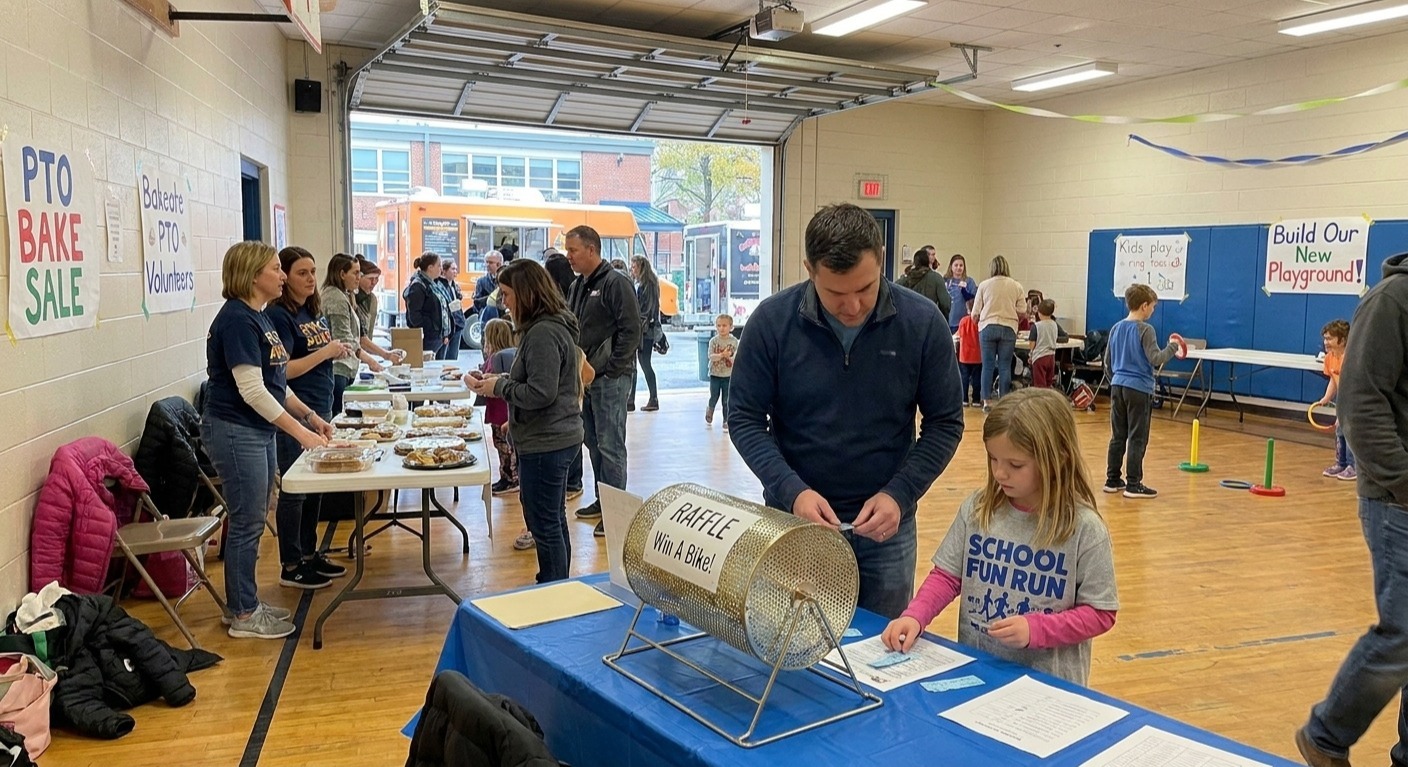
Silent auctions and raffles benefit from clear displays. Guests should understand what is available, how to participate, when bidding closes, and where winners will be announced. Donation stations should be easy to find, but they do not need to dominate the room.
If sponsors are involved, recognize them thoughtfully. A sign near the entrance, a mention in the program, or a thank-you in the school newsletter can show appreciation without making the event feel overly commercial.
The best fundraising moments feel integrated into the event. A raffle drawing can become a fun pause in the evening. A donation wall can show collective progress. A merchandise table can help families show school spirit. When the experience comes first, support feels like a natural part of participating.
Keep the Momentum Going After the Event
The fundraiser does not end when the last table is folded and the lights are turned off.
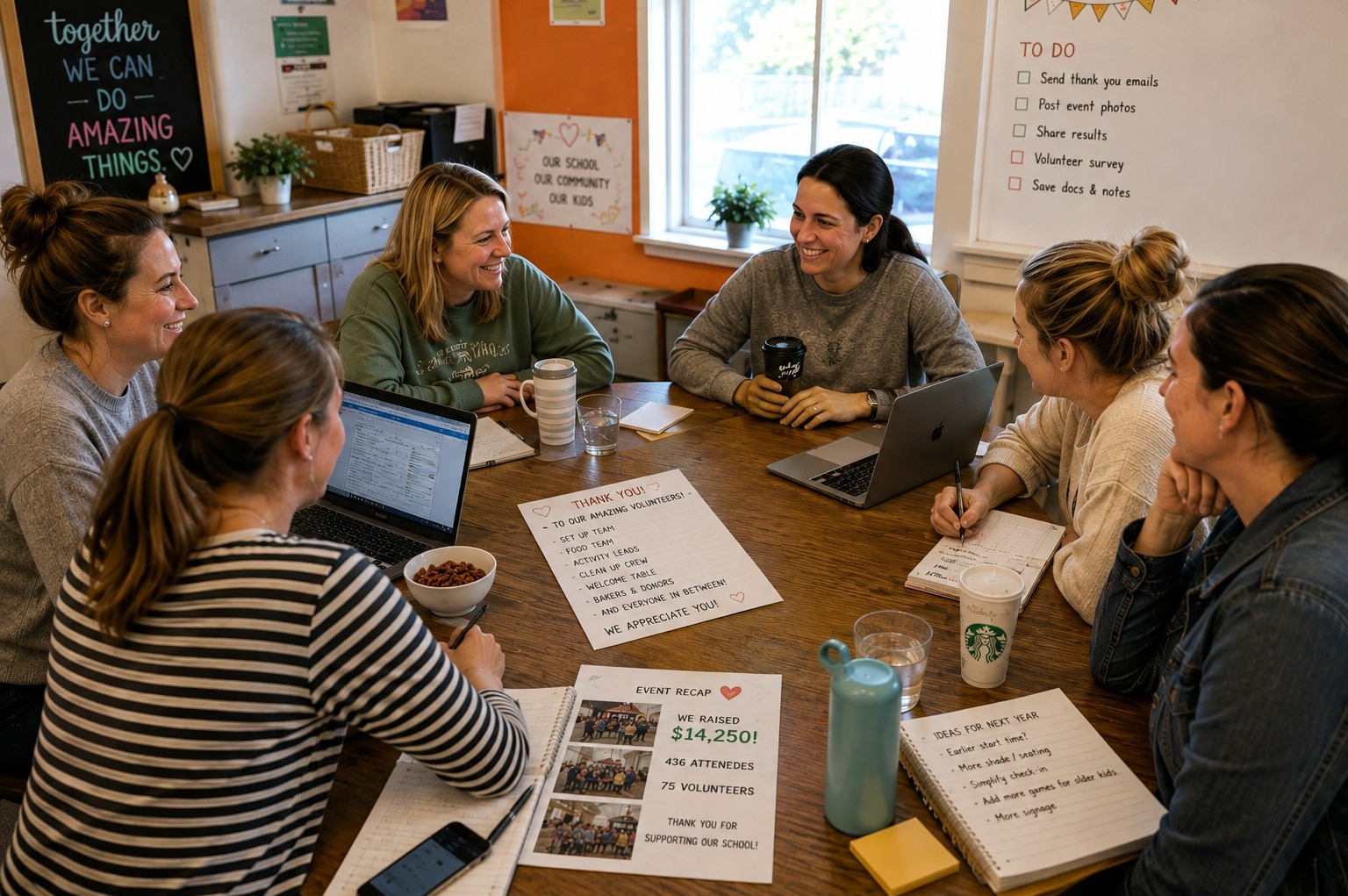
Follow-up is what helps families understand that their time, money, and effort mattered. Start by thanking volunteers quickly and specifically. A general thank-you is nice, but naming the roles people played makes the appreciation feel more personal.
Share the fundraising results when you can. Families do not always need a complicated financial breakdown, but they do appreciate knowing what the event made possible. If the fundraiser paid for new art supplies, playground improvements, teacher grants, library books, or a field trip fund, say so clearly.
Celebrate the community impact as much as the total raised. Share how many families attended, how many volunteers helped, or what the event allowed the school to do next. This reinforces the idea that the fundraiser was about more than a transaction.
If your school permits photos, post a few highlights in approved channels. Focus on the atmosphere: families gathered at tables, kids playing games, volunteers setting up, or the welcome area before guests arrived. Always follow school photo policies and avoid sharing images of children without permission.
Gather feedback while the event is still fresh. Ask volunteers what worked, what felt confusing, what supplies were missing, and what they would change next year. Families may also have useful insight about timing, cost, activities, or communication.
Then document everything. Save vendor contacts, timelines, floor plans, sign-up links, supply lists, budget notes, sponsor details, and lessons learned. Next year’s planning team will be grateful, and the event will become easier to repeat.
A strong follow-up turns one event into a tradition. It helps families feel proud of what they supported and makes future school fundraiser planning more thoughtful from the start.
Final Thoughts
The most successful school fundraisers are not simply the ones that raise the most money. They are the ones families remember fondly, talk about afterward, and want to attend again.
When a fundraiser is planned around community, convenience, and hospitality, people feel the difference. They arrive knowing what to expect. They find it easy to participate. Their kids have something to enjoy. They connect with other families. They leave feeling more attached to the school than when they arrived.
That kind of experience builds trust. It makes fundraising feel less like an obligation and more like a shared investment in the school community.
If you are planning a school fundraising event, begin with the people you want to bring together. Choose a format that fits your community, make it easy to attend, invite volunteers into clear roles, and create a gathering that feels welcoming from the first reminder to the final thank-you.
For more gathering ideas, planning timelines, and community-minded hosting inspiration, explore the Partytrick Playbook Library, including Become a Super Neighbor, a helpful starting point for creating events that bring people together with warmth and intention. You can also sign up for the Partytrick newsletter for more planning resources and hosting ideas.
More articles
Why Planning a Gathering Can Feel Overwhelming and How the Right System Helps
Learn why hosting can feel overwhelming and how a clear timeline, practical checklist, and Partytrick Playbook can reduce last-minute stress and help you stay present with your guests.
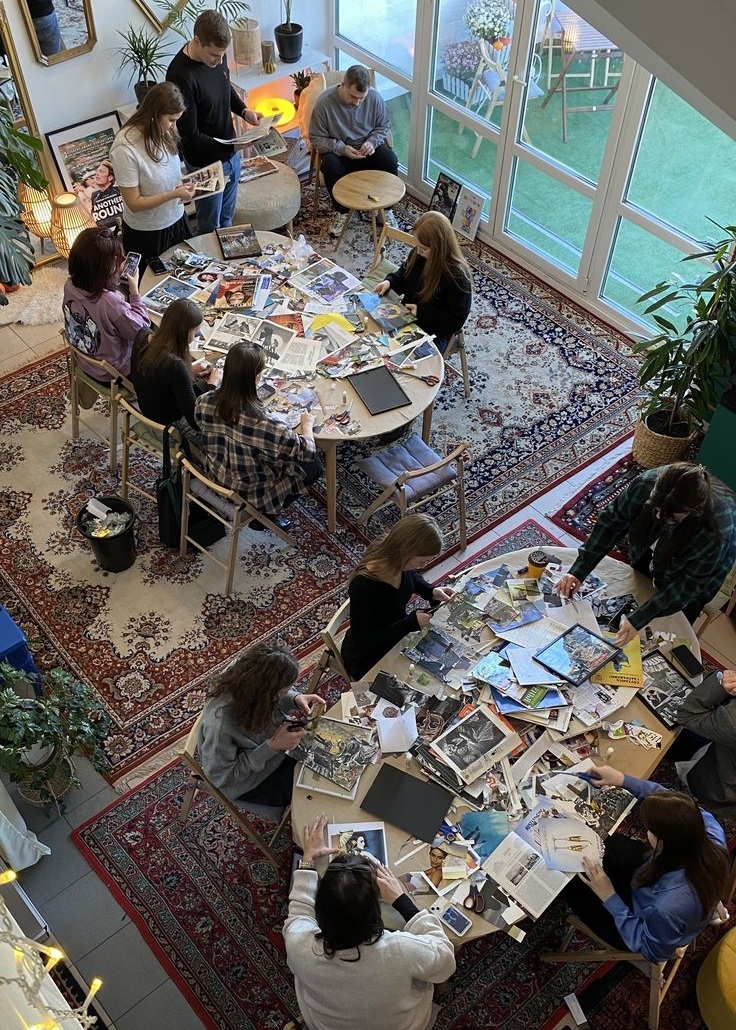
How to Start a Monthly Parents’ Night In
A monthly parents’ night in gives neighbors and school families an easy, low-pressure way to stay connected throughout the school year. With a small group, a recurring date, and a simple format, it can grow into a tradition that helps build real community over time.
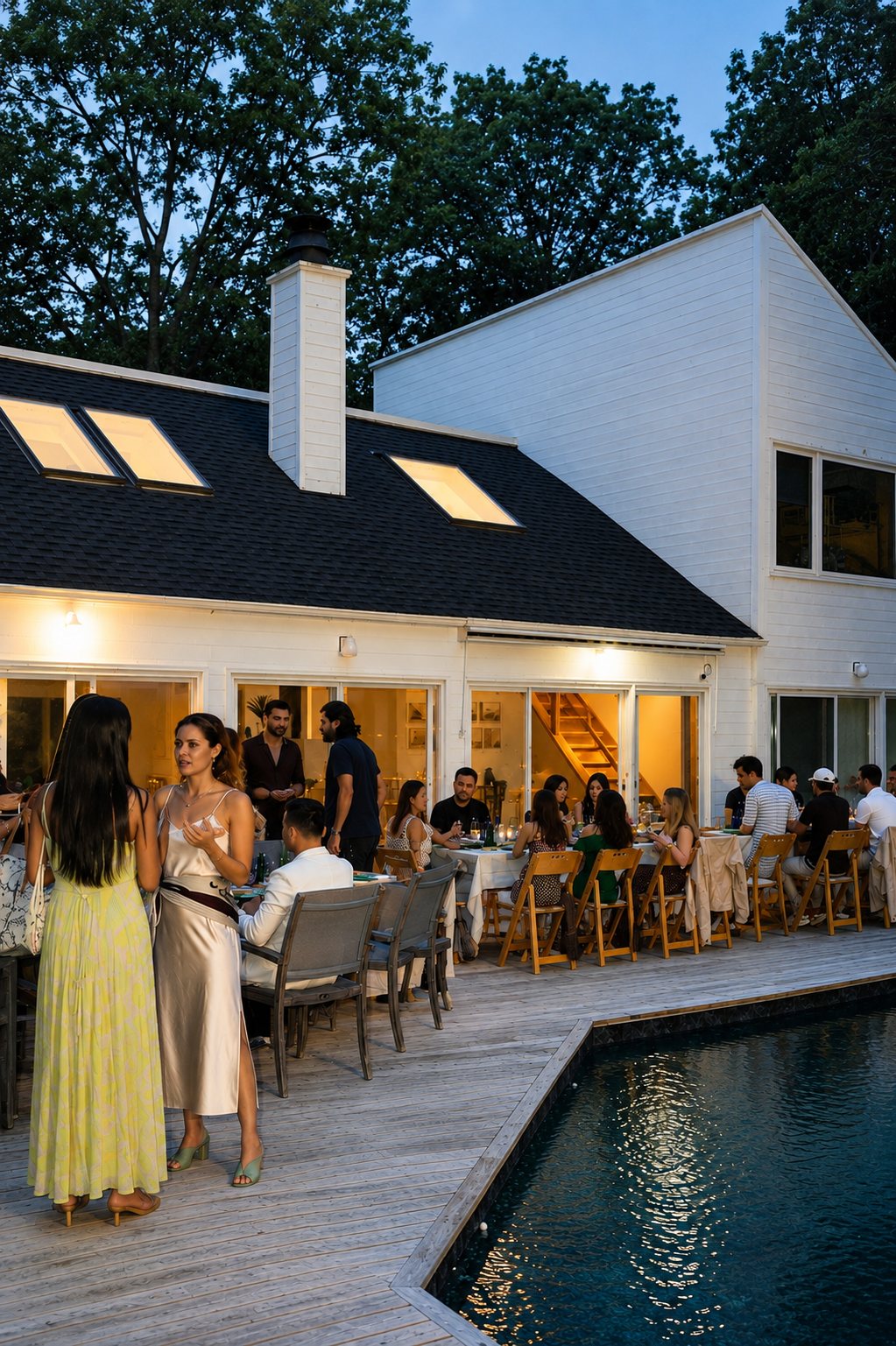
What to Decide First When Planning a Party and How Far Ahead to Start
Not sure where to start planning a party? This guide breaks down what to decide first, how far ahead to begin, and how Partytrick can turn those early choices into a clear timeline you can actually follow.

Sign up for expert tips, exclusive content, and the 411 on the latest parties—all straight to your inbox.
Your shortcut to stress-free hosting
Spend less time coordinating and more time actually connecting.