


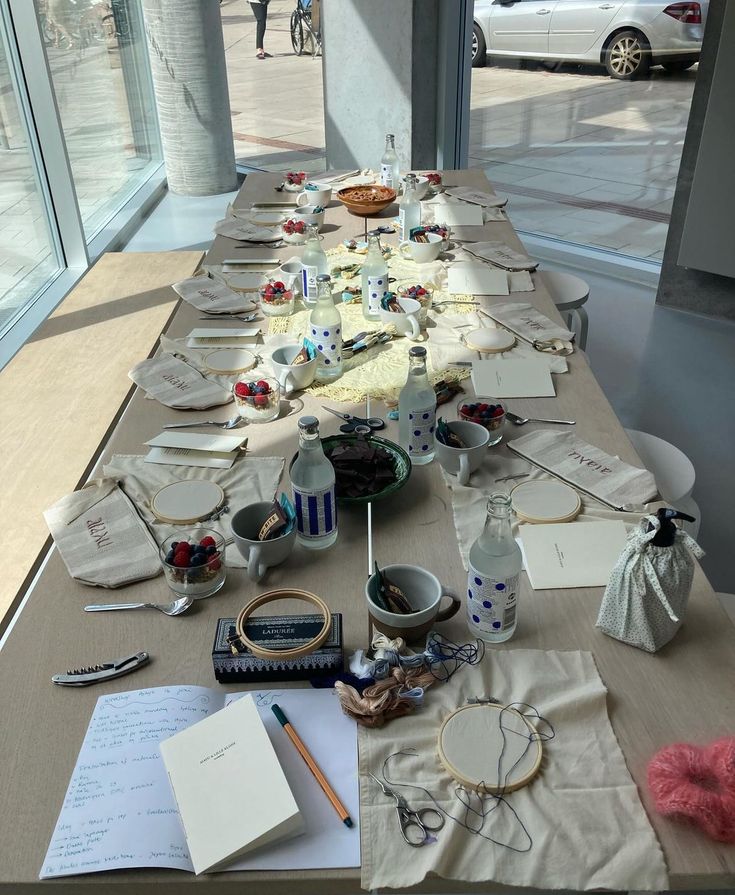
Host a Stitch & Sip: The Cozy Gathering Everyone's Falling in Love With
Not every gathering needs to revolve around a meal. More and more, hosts are swapping elaborate dinner parties for experiences that give people something to do together, whether that's arranging flowers, making fresh pasta, painting, or learning a new craft.
A stitch-and-sip is one of the easiest ways to bring that idea to life. Everyone settles in with a beginner cross-stitch kit, a favorite drink, and a few unhurried hours of conversation while their hands stay busy. No one needs to be especially crafty, and no one has to finish their project. The stitching simply gives the evening a rhythm, making conversation feel effortless.
If you've been wanting to invite people over but keep putting it off because planning a full dinner feels overwhelming, this is the kind of gathering that proves hosting can be much simpler.
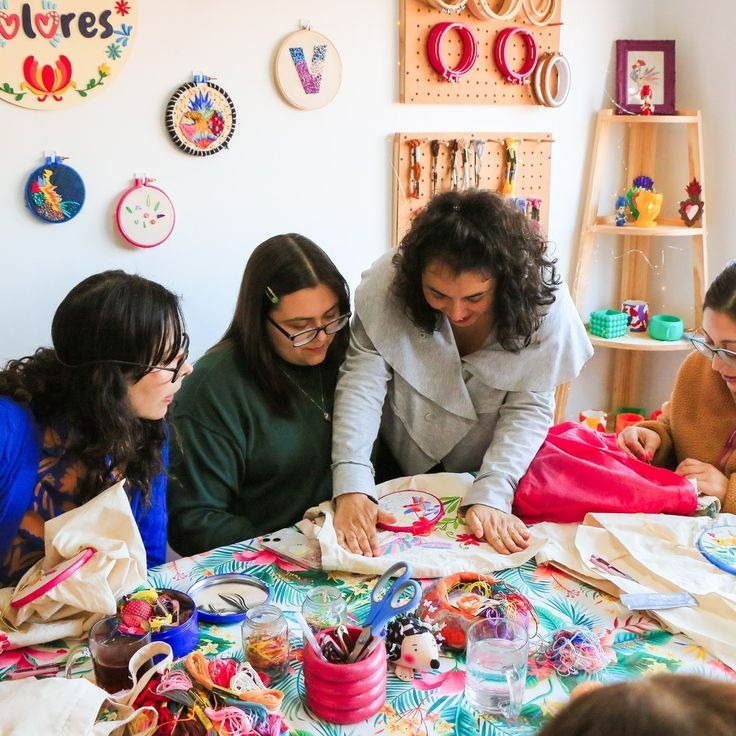
Why hobby nights are replacing the standard girls' night
Part of the appeal is how effortless it feels. A craft night asks far less of the host than a traditional dinner party. Instead of juggling multiple courses and disappearing into the kitchen, you can set out a simple spread of drinks and snacks that guests can enjoy throughout the evening.
The activity also takes the pressure off socially. When everyone has something to work on, conversation unfolds more naturally. Quiet moments feel comfortable rather than awkward, and even guests who tend to be reserved often find themselves chatting more once their hands are busy.
Best of all, everyone leaves with something they've made. Whether it's a bookmark, a small framed piece, or an unfinished project they'll complete at home, it becomes a tangible reminder of the evening; one that's far more memorable than simply meeting for another round of drinks.
As Lindsey Morgan puts it, the best icebreakers don’t feel like icebreakers at all.
She likes creating a relaxed setting where conversation happens naturally through a great playlist, a signature cocktail station, or a family-style meal. Small personal touches can help guests feel comfortable, connected, and welcomed.
Why cross stitch works better than most crafts for a group
Not every activity lends itself to an evening of conversation, but cross-stitch does. It's simple enough for complete beginners, relaxing without requiring much concentration, and easy to pick up after a few minutes of instruction. Before drinks have even been poured, everyone is already making progress.
It's also surprisingly budget-friendly to host. Most beginner kits cost between $10 and $20, making it an affordable activity whether you're supplying everything yourself or asking guests to choose a design in advance. For about the cost of a nice bottle of wine, you can give everyone something to create—and something to take home.
Perhaps most importantly, cross-stitch is forgiving. There's no pressure to finish, no competition, and no expectation that anyone will be particularly crafty. It's simply an easy, low-pressure activity that gives people a reason to gather and a conversation that unfolds naturally along the way.
It is also the rare craft you can do while looking up. Painting pulls people into their own corner, and pottery and pasta both need real focus and a serious cleanup. Cross-stitch travels between conversation and concentration without anyone losing their place.
No one has to be artistic, either.
The pattern dictates every design decision, so guests follow a chart rather than being judged on taste. That takes the pressure off the person who says they are not creative, which is usually the one who stays the latest.
And it is entirely self-paced. Guests can put a hoop down for twenty minutes, refill a glass, and pick it back up. Someone arriving an hour late is not behind.
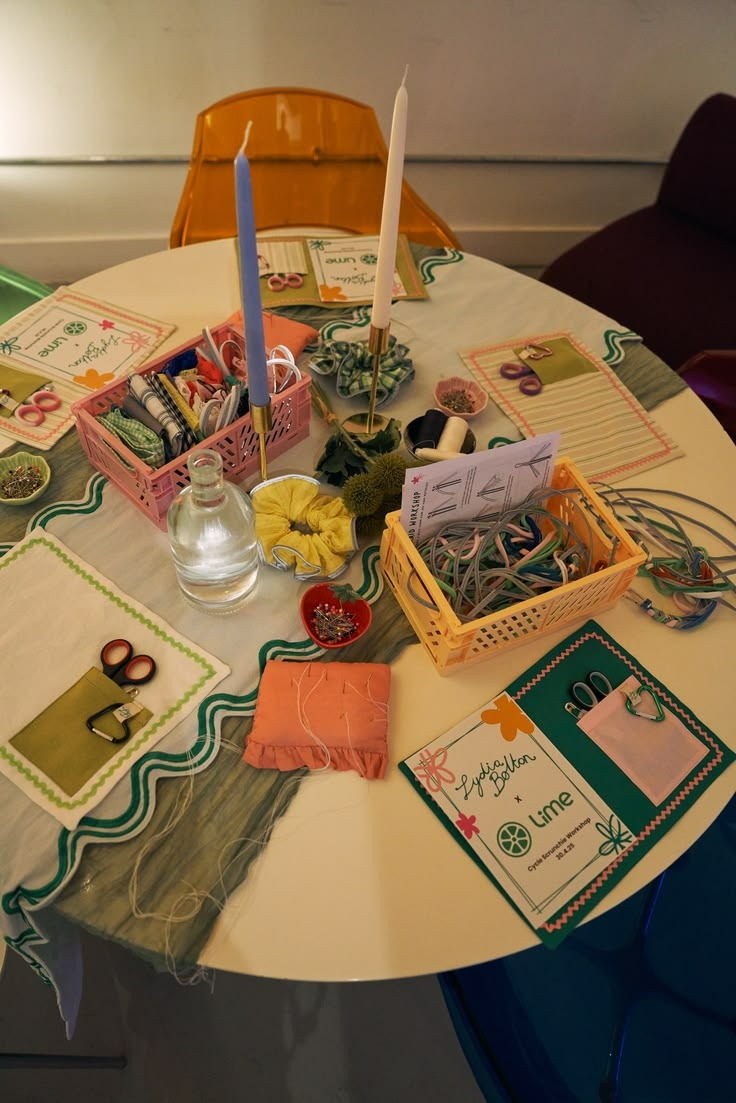
How to set up a cozy stitch and sip
Plan for six to eight guests around one table. Once you go past eight, the group splits into two conversations, and the room loses what makes this format work.
Give the evening a window on the invitation, something like 6 to 9. People settle in faster when they know how long they are staying.
Set a kit at each place before anyone arrives. A complete setup is a hoop, pre-printed Aida cloth, floss, a needle, small scissors, and the pattern. Laying them out as place settings tells guests what the night is without you having to explain it at the door.
A few setup notes worth following:
- Seat everyone at one large table with chairs people can sit in for three hours. Dining chairs beat bar stools here.
- Use lamps and candles instead of the overhead light, and keep anything scented off the table so it does not compete with the food.
- Keep the centerpiece low. Greenery or a few stems in short vessels leaves room for hoops, plates, and elbows.
- Stick to one simple color palette and clear everything else off the surface. Cross-stitch has many small parts, and a cluttered table makes them disappear.
- Keep a basket at one end for extra floss, spare needles, and finished pieces so nothing walks off with the napkins.
Good lighting matters more than decor for this one. If your dining room runs dim, add a cordless table lamp or two near the middle of the table.
Keep a few versatile pieces on hand that you can reuse: embroidery hoops, project bags for guests who want to take their work home, unscented candles, a serving board wide enough to sit at one end of the table, and simple drinkware that holds up to a long night.
Beginner cross-stitch projects guests can actually finish
Pick projects that fit the length of the evening. Something a guest can finish, or nearly finish, in two to three hours feels much better than an ambitious piece that goes home half done and never gets touched again.
Bookmarks are the easiest place to start.
The pattern is narrow, most beginners finish in an hour and a half to two hours, and the quick payoff makes it the right thing to hand someone who has never stitched before. Mini embroidery hoops take a little longer, two to three hours, and they finish as decor on their own since the hoop holds the fabric tight without any framing. Monograms take around two hours and stay simple because every guest works a different letter, so nobody is comparing progress across the table.
Gift tags are the most forgiving option on the list. Each one takes 30 to 45 minutes, so guests can finish several in a night without stalling out. Holiday ornaments take one to two hours and are easy to batch when the whole table is making the same thing. Small floral patterns need two to three hours and involve more color changes, which keeps experienced stitchers interested without leaving beginners behind.
Notebook covers are the one project to hold back. They need three hours or more, so they suit repeat guests who want something bigger to carry over to the next gathering rather than a first-timer working through the evening.
Buy two or three extra kits. Someone will finish early, and someone else will want to start over.
What to serve when everyone's hands are busy
Food should be able to sit out and survive being ignored. Set a grazing board in the middle before guests arrive and leave it there. Cheese, crackers, olives, dried fruit, and nuts hold up for hours without a single trip back to the kitchen.
Add one or two things that eat cleanly in a bite: tea sandwiches, seasonal fruit, mini pastries, or cookies. Skip anything greasy, saucy, or powdered. Fabric and buttered fingers do not mix, and nobody wants to be the person who marks their cloth in the first hour.
Drinks can stay simple. A bottle of sparkling, a couple of bottles of wine, and a pitcher of something non-alcoholic cover most groups. Put tea and coffee out around the second hour, when the pace naturally slows down. Keep small plates and cocktail napkins within reach, and set glasses on the opposite side from each guest's stitching hand.
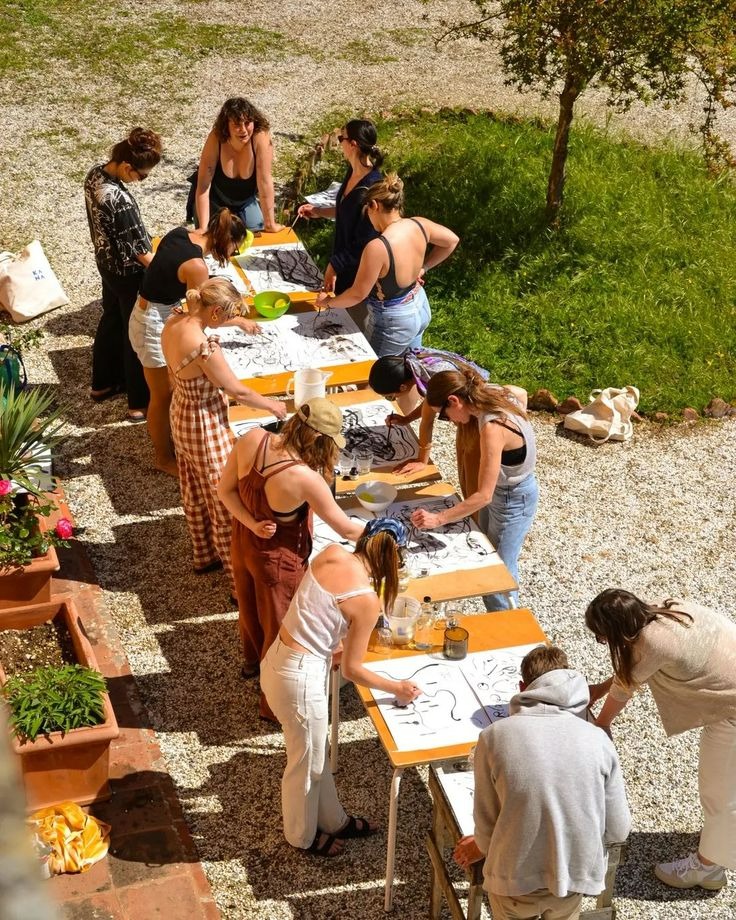
Build a playlist that sits under the conversation
Music should stay under the talking. Acoustic, indie folk, jazz, soft pop, and instrumental cafe playlists all work because they hold a mood without pulling attention.
Start it before the first guest knocks. A quiet room makes early arrivals feel as if they arrived too soon. If you want something already built, Partytrick: Golden Hour Hosting fits the pace of a table where nobody is in a hurry.
Make it collaborative and share the link before the night. Guests add tracks, the playlist keeps growing between gatherings, and it becomes something the group actually listens to afterward.
Turn one night into a monthly tradition
The first stitch-and-sip is the hardest one. Every version after that is mostly a repeat, which is exactly why this format is worth keeping.
Pick the same weekend each month and let people plan around it. Rotate hosts if the group is up for it, since the supplies travel easily in a single tote.
Seasonal versions keep it from feeling repetitive:
- Holiday ornament night in November, so everything is done before December gets loud.
- A handmade gift night in early December, where everyone stitches for someone else.
- A back-to-school personalization night in August for monograms on bags and pouches.
- A winter stitching club in January and February, when nobody wants to go out anyway.
Save the details somewhere you can pull up again. The Partytrick playbooks are built for this kind of repeat hosting: the supply list, timing, and food plan stay in one place, so the second gathering takes 20 minutes to plan instead of an afternoon.
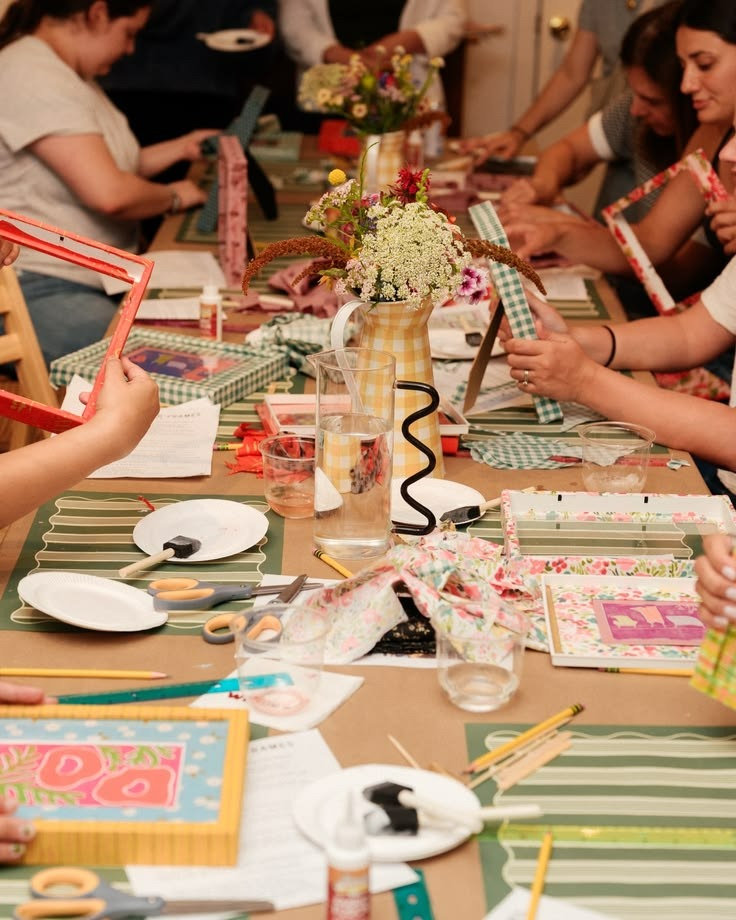
It is about more than the craft
What makes this work is not the stitching. It is that people talk differently when their hands are doing something. Eye contact becomes optional, pauses stop feeling heavy, and conversations wander into places they rarely reach across a dinner table.
The finished piece is a bonus. Half of your guests will hang theirs somewhere, and half will find it in a drawer next spring. Neither one changes the value of the evening.
What people remember is the three hours: the table, the music underneath, the second pot of tea, and how late everyone stayed without noticing.
Start with one table and one project
A gathering does not need a long menu or a full itinerary to be worth hosting. A small project, a glass of wine, and a table of people is enough, and it asks much less of you than the dinner party you keep postponing.
Pick a date, buy seven kits, and send the invitation with a start and end time. That is the whole plan.
When you are ready to organize it, create a free Partytrick account and start from a playbook that matches the night you have in mind. You can keep your guest list, timeline, and supply list together, then reuse them the next time around.
For more ideas like this one, subscribe to the Partytrick newsletter for seasonal gathering plans and new playbooks, and follow along on Instagram where hosts share how their craft nights, dinners, and standing traditions actually come together.
More articles

How to Throw a Sunset Dinner Party Everyone Will Want to Linger At
This guide shows how to host an effortless, linger-worthy sunset dinner party using simple timing, seasonal family-style food, and golden-hour lighting.
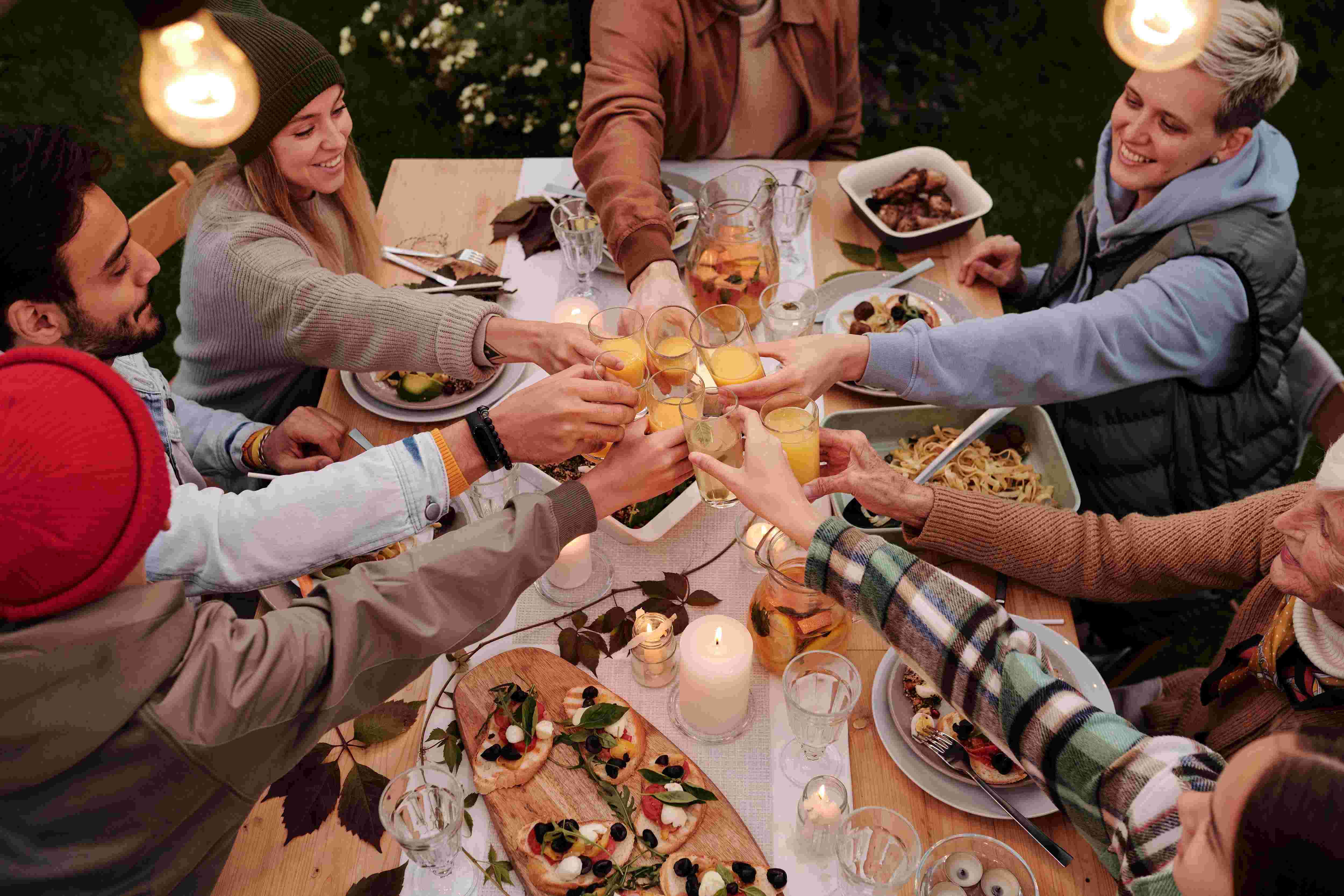
Why Every Family Needs a Weeknight Gathering
A simple recurring weeknight gathering, from Taco Tuesday to Pizza Friday, can help busy families reduce decision fatigue, build meaningful traditions, and create steady moments of connection around the table.
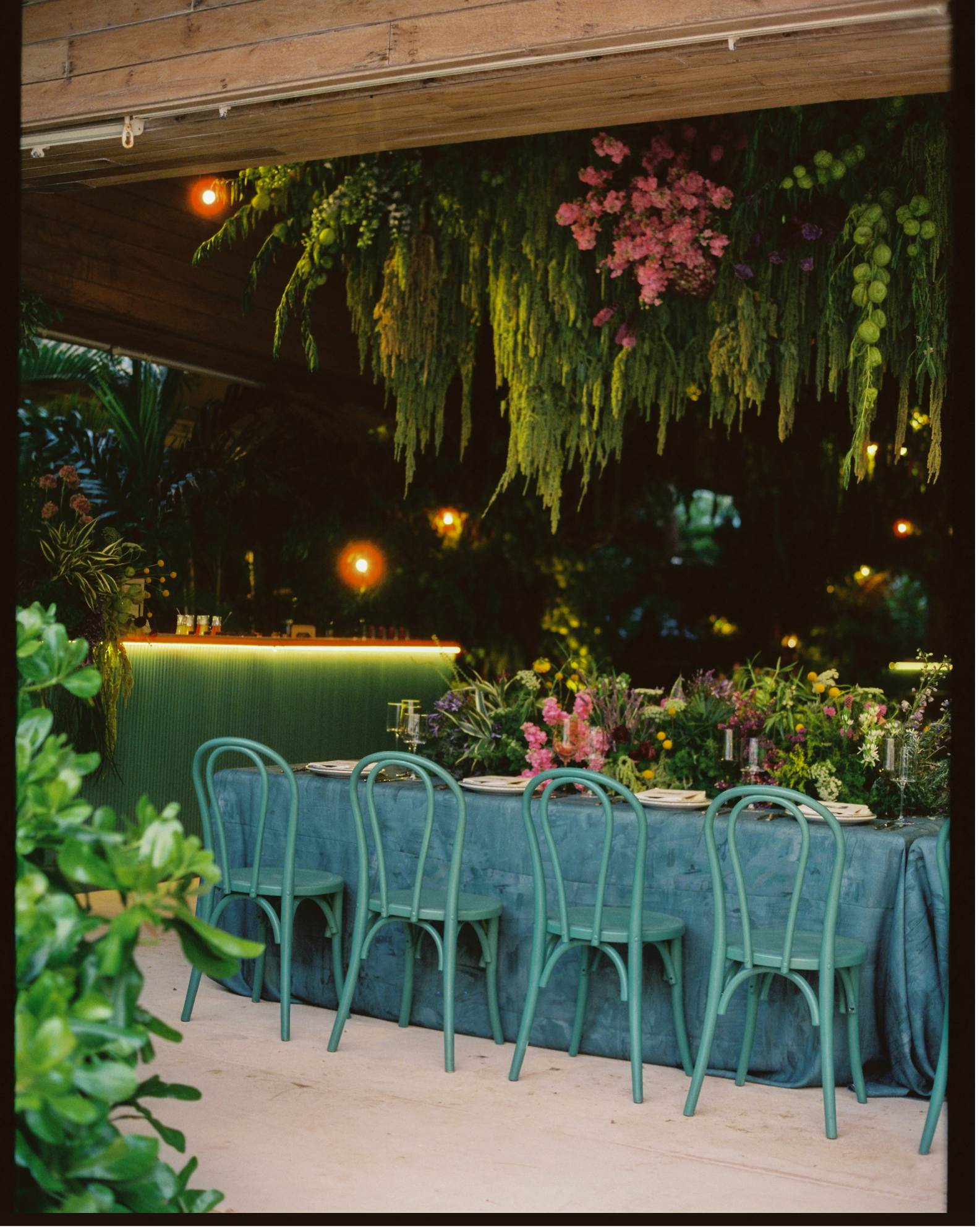
How to Host a Memorable End-of-Summer Gathering
As summer winds down, there's a natural urgency to gather friends around the table before the season ends. Instead of aiming for perfection, event pros share that a great gathering comes down to relaxed hospitality and simple, thoughtful details.
Sign up for expert tips, exclusive content, and the 411 on the latest parties—all straight to your inbox.
Your shortcut to stress-free hosting
Spend less time coordinating and more time actually connecting.