


Easy Gatherings That Help Kids Make New Friends
Starting a new school year can feel exciting, but it can also bring a lot of unknowns for kids. New classrooms, new teachers, new teammates, and new faces can make even confident children feel like they are beginning again.
Schools create opportunities for kids to meet, but friendships often grow more naturally outside the classroom. A little time at the park, a backyard snack after school, or a shared meal with a few families can give kids the space to relax around one another.
That is where simple back-to-school gathering ideas can help. You do not need a full party plan, a theme, or a large guest list. A small, low-pressure gathering can make introductions easier for kids and help parents connect too. Once families know each other, future playdates, carpools, and invitations feel much simpler.
The goal is not to impress anyone. It is to create a setting where kids can spend time together, play without too much structure, and begin to feel familiar.
Why gatherings make friendships easier
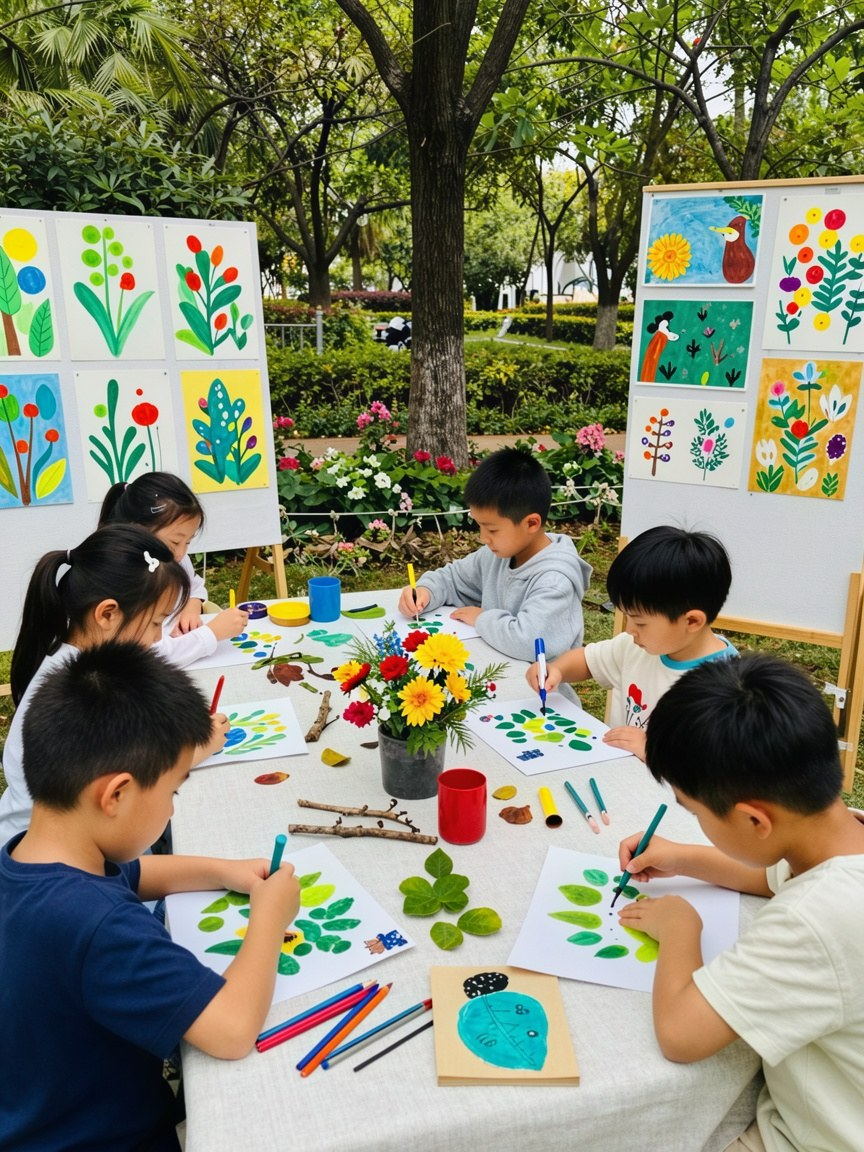
Kids often connect through play before they connect through conversation. A child who feels shy walking up to someone at school may feel more comfortable joining a chalk drawing, chasing bubbles, passing a soccer ball, or choosing pizza toppings next to another child.
Casual gatherings also remove the pressure of a formal one-on-one playdate. Instead of asking two kids to become friends right away, you are giving them a shared environment where connection can happen more naturally. A few families, one simple activity, and enough time to settle in are usually all you need.
Parents can enjoy the time together, too. A relaxed gathering gives adults a chance to chat, get to know each other, and feel more comfortable around the families their kids spend time with. Those simple connections can make future playdates and neighborhood gatherings feel more natural.
That is why the best back-to-school party ideas are usually the simplest ones. They create just enough structure for people to show up, then leave enough room for everyone to find their own rhythm.
Keep it casual
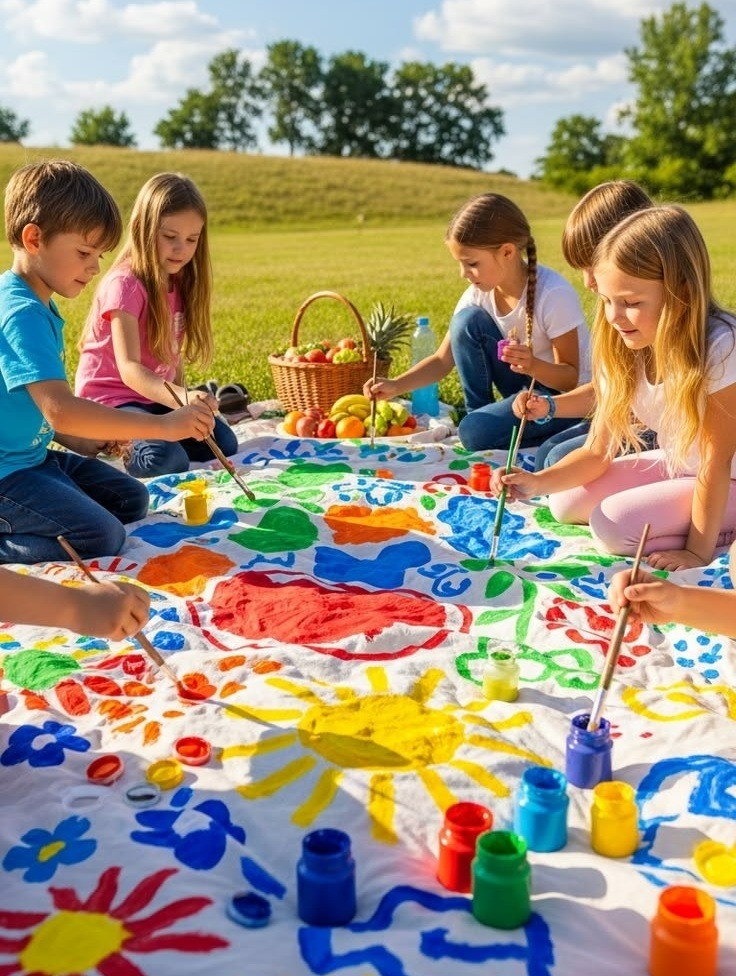
These gatherings do not need elaborate decorations, matching supplies, or a packed schedule of activities. In fact, they usually work better when they feel relaxed.
Invite a handful of families instead of a large group. Keep the timing short, especially at the beginning of the school year when everyone is adjusting to new routines. Two hours is often plenty. Choose one easy anchor, like popsicles, pizza, tacos, playground time, or a movie, then let the gathering build around that.
If you’re not sure where to start, it helps to have a loose plan to work from. Whether you’re putting together pizza night, taco night, a movie night, a backyard gathering, or a kids’ party, having a few key details mapped out can take the guesswork off your plate. Our Playbooks can help you get those basics in place, from what to serve to how to set the scene. Think of them as a starting point, not a strict checklist. Follow the structure that works for you, then keep the rest flexible as the night comes together.

5 easy gatherings that help kids make new friends
1. Backyard popsicle party
A backyard popsicle party is one of the easiest ways to bring kids together at the beginning of the school year. It works well after school or on a warm weekend when children need room to move, and parents don't want to plan a full meal.
The setup can be as simple as a cooler filled with popsicles and a few drinks, plus space to play. Add sidewalk chalk, bubbles, lawn games, sprinklers, or a ball if you have them, but do not feel like you need to organize every minute. Kids usually need less direction than adults think. Once there is something to eat and something to do, they often begin making their own fun.
This kind of gathering is especially helpful for younger children because it gives them an easy entry point. They do not have to walk into a formal activity or sit across from someone they barely know. They can grab a popsicle, draw with chalk, run through the sprinkler, or watch for a few minutes before joining in.
For parents, keep the setup comfortable but simple.
A shaded place to stand or sit, a trash bag nearby, and a few extra napkins will do more for the afternoon than a decorated table. Keep a few practical pieces on hand, like outdoor drinkware, serving trays, reusable cups, and kid-friendly entertaining basics, so everything is easy to grab when you need it.
2. Park playdate
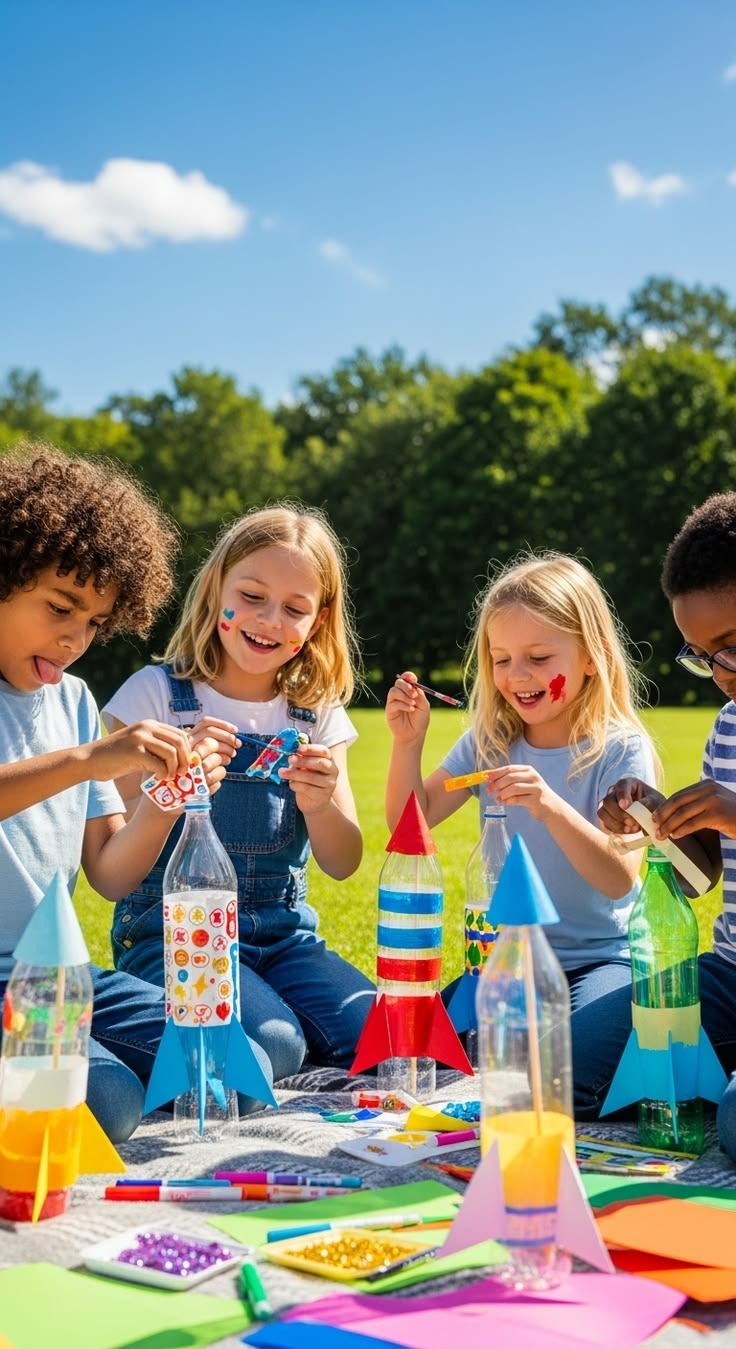
A park playdate is a good option when you want to gather families without hosting at home. It also works well for neighborhood gatherings because the playground gives kids something to do right away.
Choose a local park, send a clear time window, and invite a few families to meet there. You can bring a few snacks or juice boxes to share, but the playground should remain the main activity. Kids can climb, swing, run, and explore together while parents have a chance to talk nearby.
What makes a park gathering useful is the flexibility. Some kids jump in immediately. Others need time to warm up. A playground gives them choices, which can make the social part feel less direct. They can play side by side first, then gradually join a group game or conversation.
If you are bringing food, keep it easy to pass around and easy to clean up. Granola bars, clementines, crackers, popcorn, and water bottles are enough. A picnic blanket, small cooler, or reusable snack containers can keep everything organized without turning it into a full picnic.
The best version of this gathering is the one families can repeat. A Saturday morning park meet-up or a monthly neighborhood playdate gives kids more than one chance to connect, which is often what friendships need.
3. Taco night
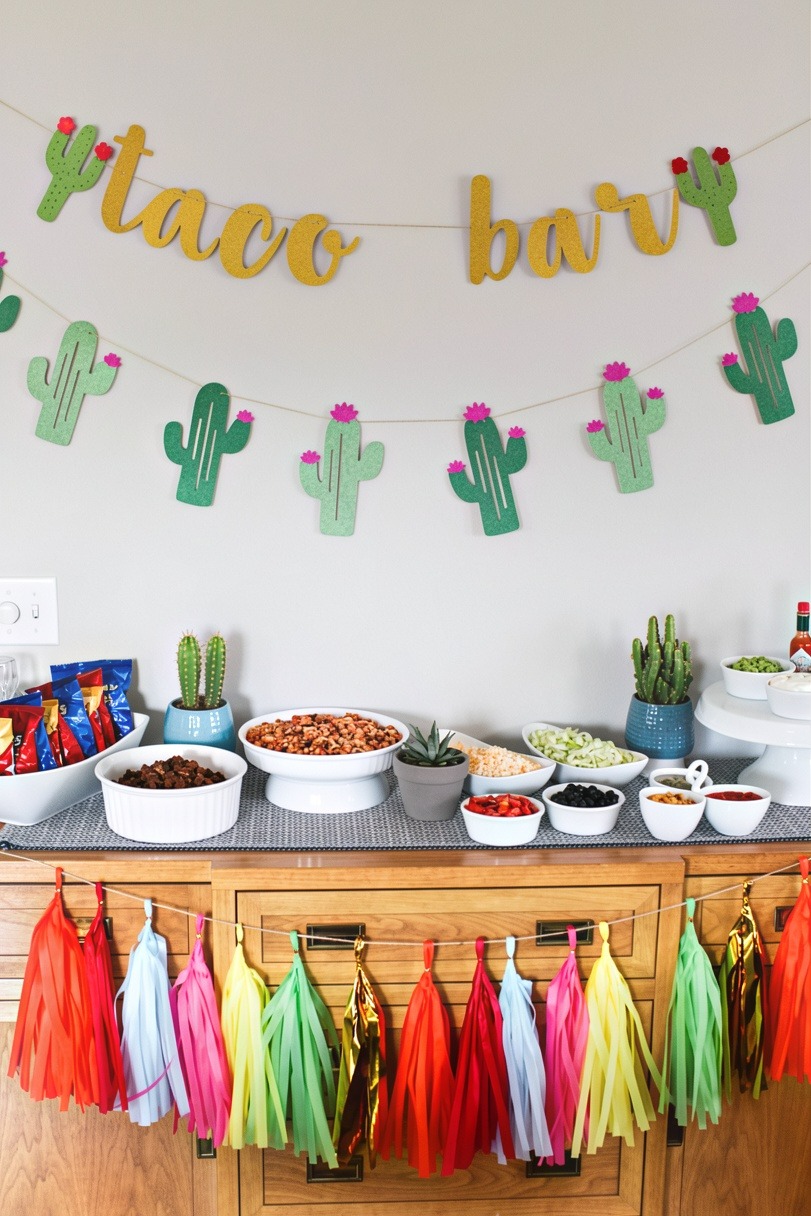
Taco night is a good choice when you want to invite families over for dinner but do not want to manage a complicated menu. A simple taco bar gives everyone options, which helps with picky eaters and makes the meal feel relaxed.
Set out tortillas, a protein, beans, rice, cheese, salsa, guacamole, and a few mild toppings. Keep anything spicy separate for adults. Kids can build their own plates with help if needed, and the act of choosing toppings gives them something to talk about without forcing conversation.
This is the kind of meal that works because it is familiar and flexible. Children can keep their plates simple, adults can add more, and no one has to wait for a perfectly timed dinner service. You can put everything out at once, let people serve themselves, and focus on helping everyone feel comfortable.
The Taco Night Playbook is a helpful place to start when thinking through timing, food setup, and what to prepare ahead. For a school year gathering, keep the plan simple. The goal is not to create a restaurant-style spread. It is to give families a reason to sit down, talk, and spend a little more time together.
4. DIY pizza party
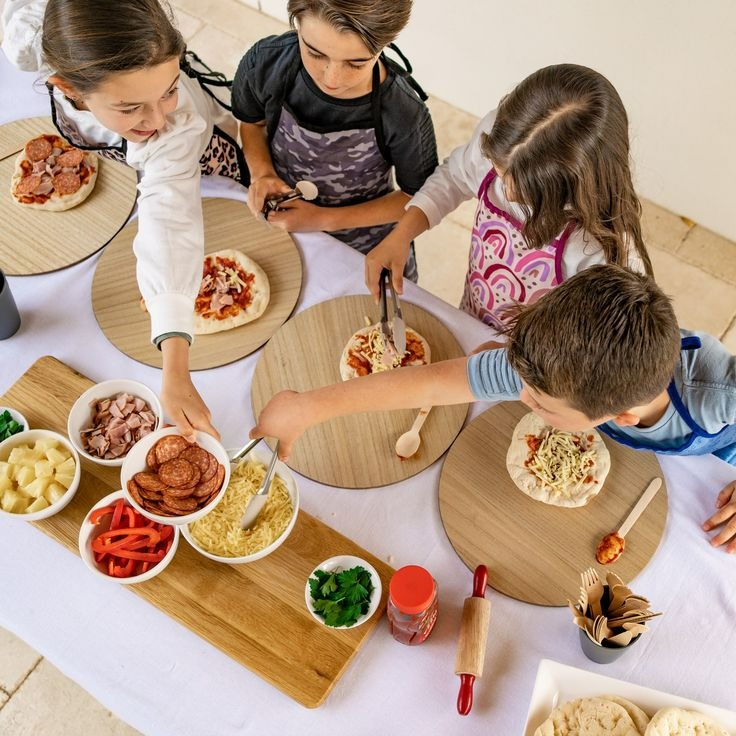
A DIY pizza party gives kids something to do with their hands, which can make socializing feel easier. Instead of asking children to start conversations from scratch, you are giving them a shared task: add sauce, choose toppings, compare pizzas, and wait for them to bake.
You can keep the food very simple. Use store-bought dough, naan, pita, English muffins, or any base that is easy to manage. Set out marinara, shredded mozzarella, pepperoni, and a few vegetables. Fewer toppings are often better because too many choices can slow everything down.
This is a useful gathering for a mixed group because kids can participate at different levels. Younger children may need help spreading sauce or carrying their pizza to the oven. Older kids can usually manage their own. While the pizzas bake, they can play outside, start a game, or help set the table.
A simple plan can make pizza night much easier, especially when kids are waiting to eat. It helps to think through the order of prep, serving, and cleanup ahead of time, so you are not trying to figure everything out at once. Having a loose structure in place lets you spend less time managing the details and more time enjoying the evening.
The best part of a pizza gathering is that it gives the night a natural shape. Kids arrive, make something, play while it cooks, eat together, and then drift back into play. That rhythm feels easy for guests and manageable for the host.
5. Backyard movie night
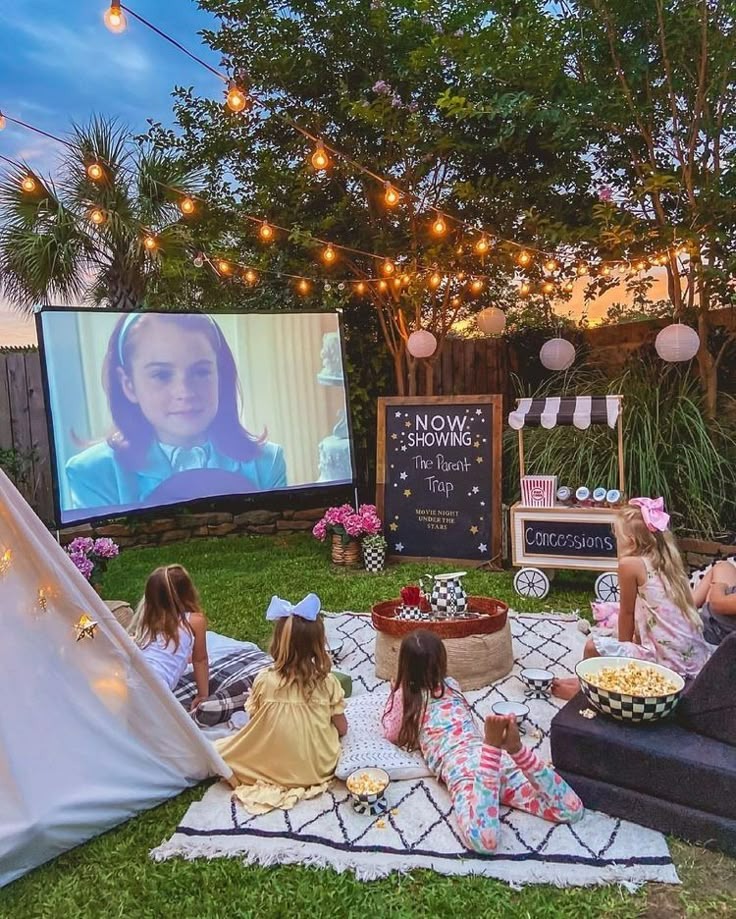
A backyard movie night can feel special without requiring a complicated plan. It works especially well once kids have had a little time to get comfortable with one another because the movie gives everyone a shared experience while still keeping the evening calm.
Start earlier than the movie itself. Give kids time to run around, play, and talk before everyone sits down. That pre-movie window is often where the real connection happens. Once the movie starts, blankets, popcorn, and a family-friendly film are enough.
The practical details matter here, but they do not need to be elaborate. Test the projector, speaker, and extension cords before guests arrive. Put snacks where kids can reach them. Have extra blankets or lawn chairs nearby. If dinner is part of the plan, pizza before the movie keeps things simple.
A little planning can make movie night feel more organized without adding a long checklist. Think about the timing, where everyone will sit, and what you want to have ready before the movie starts. A few simple pieces, like outdoor blankets, popcorn bowls, trays, and drinkware, can also make the setup easier and more comfortable for everyone.
A movie night also gives families a clear endpoint, which parents usually appreciate during the school year. Kids get time to play, everyone settles into the movie, and the evening does not have to stretch too late.
Remember that parents are part of the connection too
Kids’ friendships are easier to maintain when parents know each other. A gathering gives adults the chance to move beyond quick school pickup conversations and actually talk for a few minutes.
That connection can lead to future playdates, carpools, shared sports schedules, and easier invitations. It can also make the school year feel less isolating for parents who are new to the class, team, or neighborhood.
You do not need to plan separate entertainment for adults. Offer something simple to drink, a place to sit, and enough space for conversation. Sometimes that is all it takes for parents to leave with a new connection too.
As Samantha Sarine points out, the same idea can be seen in the way people host in their own homes and communities. The gatherings that become traditions are rarely the most elaborate. They are the ones people enjoy enough to come back to, with simple details, familiar faces, and a sense of welcome. Over time, those small moments can become the traditions families and neighbors look forward to most.
Make it repeatable
One gathering can help kids break the ice. A repeatable rhythm helps friendships grow.
This could be First Friday pizza night, a monthly neighborhood playdate, a Saturday park meet-up, an end-of-season sports celebration, or a family movie night. The format matters less than the consistency. When families know there will be another chance to gather, relationships have more room to develop.
Repeatable gatherings also make hosting easier. You are not creating a new plan every time. You are returning to a structure that already works. The invitation becomes simpler too: we are meeting at the park Saturday morning, or a few families are coming over for pizza Friday night.
Keep the pressure low
Kids do not need a perfect party to make friends. They need time together, a little structure, and a setting where they feel welcome.
Store-bought snacks are fine. Paper plates are fine. A backyard that has not been styled for photos is fine. The most helpful thing you can offer is a clear invitation and a relaxed environment where kids can interact without feeling watched or managed too closely.
If a gathering feels manageable for the host, it is more likely to happen again. That matters more than elaborate food, decorations, or a long activity plan. A little structure can help, whether you are planning a kids’ party, a backyard gathering, or something in between. Start with the ideas that make planning easier, then leave out anything that does not fit your time, budget, or group.
A simple invitation can go a long way
Helping kids make friends does not always happen in the classroom. Sometimes it starts with a backyard, a park, a shared meal, or a blanket spread out before a movie begins.
The best back-to-school gathering ideas are simple, welcoming, and easy to repeat. Invite a few families, choose one clear plan, and give kids room to play. A small gathering can help classmates become friends, help parents feel more connected, and make the school year feel a little more familiar for everyone.
For more practical hosting ideas, follow Partytrick on social channels, explore the latest Playbooks, and sign up for the Partytrick newsletter for seasonal gathering plans you can use all year.
More articles
Why Back-to-School Is One of the Best Times to Build Community
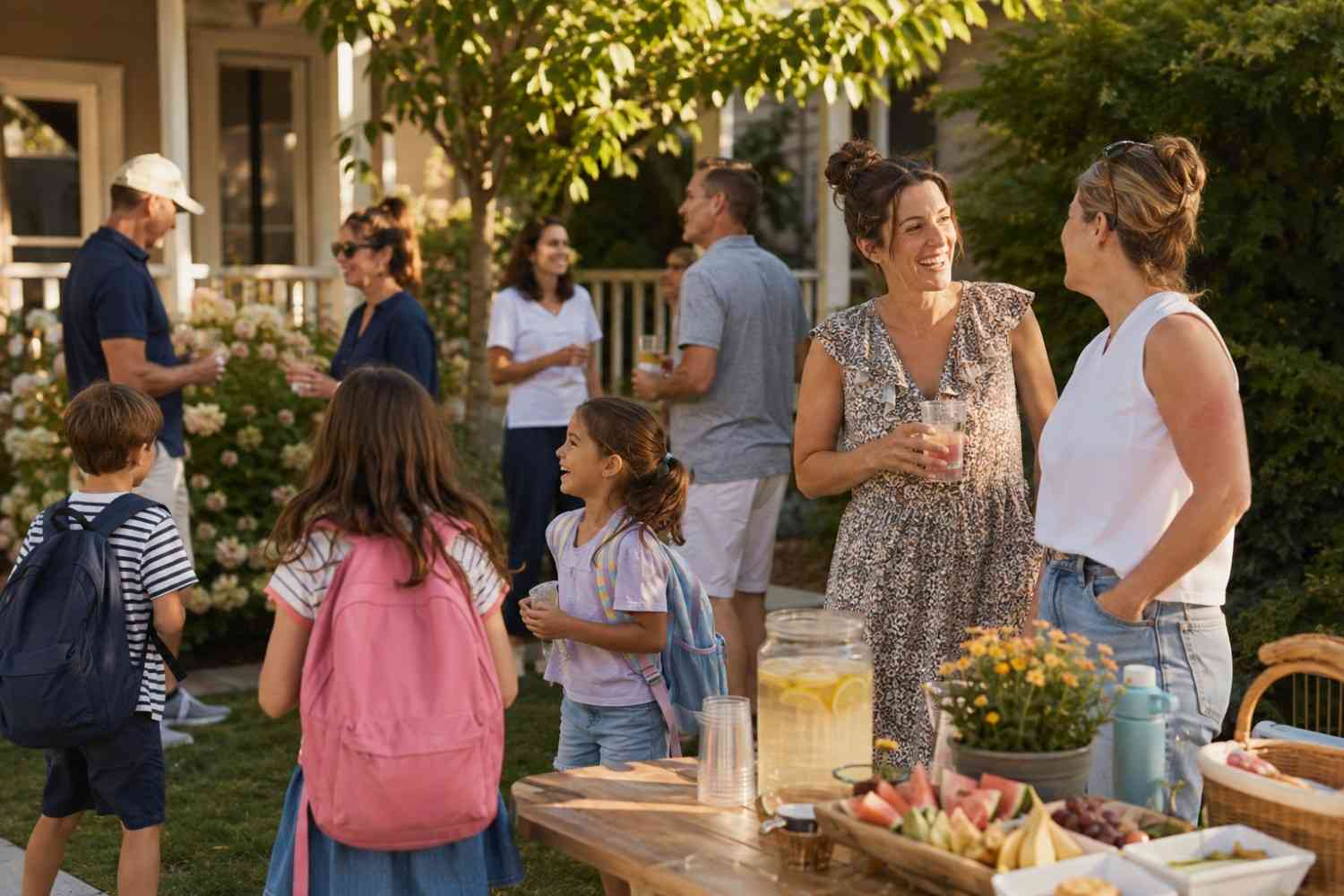
The back-to-school season is a natural, effortless time to reconnect and build community. As families settle back into shared schedules and routines, hosting simple, low-stress gatherings—like coffee after drop-off or pizza on a Friday night—can help welcome new neighbors, support parents, and foster lasting relationships for the year ahead.

15 Small Luxuries That Make Guests Feel Welcome
Small hosting touches make guests feel welcome long before dinner is served. Here are 15 thoughtful hosting ideas for music, lighting, drinks, seating, and the details guests actually remember.
.webp)
Welcome Gathering Ideas That Help Build Community
This guide shares five simple welcome gathering ideas, from backyard taco nights to potlucks in the park, that help hosts make new neighbors, classmates, coworkers, and community members feel like they belong through small, consistent moments of connection.

Sign up for expert tips, exclusive content, and the 411 on the latest parties—all straight to your inbox.
Your shortcut to stress-free hosting
Spend less time coordinating and more time actually connecting.