



Ask Partytrick: "How Long Should a Party Last?"
Ask Partytrick is our advice series where we answer real gathering questions with practical guidance, thoughtful ideas, and easy-to-follow tips.
Whether you're planning your first brunch or figuring out how to pull together a last-minute gathering, we're here to help you host with more confidence and less stress.
Reader question:
"Is there an ideal length for a dinner party? I don't want people to feel rushed, but I also don't want the evening to drag on."
You're Probably Thinking About This More Than Your Guests Are
One of the biggest worries hosts have isn't what to serve or who to invite; it’s wondering when everyone is supposed to leave without it feeling awkward.
Should dinner wrap up after two hours? Is four hours too long? Will guests think you are rushing them out if the evening ends too early, or feel like they are overstaying their welcome if the night stretches on?
Most guests aren’t watching the clock. They are simply responding to the atmosphere you have created in your home. When you begin to stress over the minutes ticking by, that subtle tension can easily carry over into the room. The best gatherings have an organic rhythm, and when that rhythm feels right, people leave feeling deeply satisfied instead of checking their phones.
When trying to figure out how long a party should last, it is helpful to realize that there is no single, perfect number. Instead, a successful evening relies on setting clear expectations, keeping a steady flow, and being attentive to the natural energy shifts in the room.

Different Gatherings Have Different Timelines
Not every party is meant to last all afternoon or stretch well into the early hours of the morning. Different kinds of events naturally require different timeframes. When you are mapping out your plans, these practical guidelines can serve as helpful reference points rather than rigid rules:
- Coffee or Brunch (2–3 Hours): Morning gatherings are meant to be light, bright, and relatively quick. Guests usually have the rest of their weekend plans ahead of them, so two to three hours is the sweet spot for enjoying pastries, fresh fruit, and plenty of coffee before everyone carries on with their day.
- Happy Hour (2–3 Hours): A post-work drink or a quick Friday evening get-together should feel breezy. This timeline gives everyone enough time to unwind with a drink and some light bites without feeling obligated to stay for a full dinner.
- Dinner Party (3–4 Hours): A classic dinner party requires a bit more time. Between greeting guests, sitting down for the meal, and lingering over dessert, a three-to-four-hour window ensures no one feels rushed through their food or conversation.
- Backyard BBQ (4–5 Hours): Casual, outdoor afternoon gatherings are naturally slow-paced. Guests expect to graze, play lawn games, and chat in small groups, which warrants a longer afternoon timeline.
- Birthday Party (3–4 Hours): Whether for an adult or a child, a defined window of three to four hours keeps the energy high and ensures you have a clear moment to cut the cake and sing before guests start to tire.
- Open House (Varies): This is the ultimate low-pressure format. Guests naturally come and go over several hours, allowing you to catch up with different people in waves.
Keep these party planning tips in mind as a starting point. They give you a baseline so you can structure your food prep and personal energy around a predictable window.
Think About the Flow, Not the Clock
Instead of assigning exact minutes to every portion of your evening, focus on the natural progression of the gathering. A standard, comfortable party timeline is less about a strict schedule and more about transitions.
Think about how a typical evening unfolds.
Guests arrive, shedding coats and accepting a drink. This initial transition phase is a time for light mingling, where people warm up to the room and to each other. From there, you eventually guide everyone toward the main event, whether that is a spread of heavy appetizers on the kitchen counter or a seated meal at the dining table. After eating, the energy shifts again. You might transition to the living room for dessert, tea, or a final cocktail.
Arrival & Drinks — Meal or Main Activity — Dessert & Coffee — Quiet Lingering
When each phase of the gathering unfolds naturally, your guests rarely notice how much time has actually passed. They are simply enjoying the momentum of the night.
A Quick Guide to Flow:
- Partytrick Playbooks: If you want some extra guidance on structuring these transitions without feeling overly scheduled, Partytrick Playbooks—like our Al Fresco Dinner Party with Grüvi, Backyard BBQ, Perfect Happy Hour with Une Femme, or Bring Your Own Board guides—include flexible, stress-free timelines that help your gathering move gracefully from arrival to final farewell.

You Don't Need to Entertain Every Minute
Many first-time hosts fall into the trap of thinking they need a packed itinerary of games, icebreakers, and activities to keep their guests engaged. In reality, over-scheduling can make entertaining guests feel like a chore for everyone involved.
The best gatherings leave plenty of breathing room for the unexpected. When you step back and allow the evening to breathe, you create space for the real magic of hosting: loud laughter around the dining table, guests spontaneously going back to the kitchen for seconds, or a group moving out onto the patio because the night air is particularly nice.
Those quiet, unscripted moments, like when someone lingers by the kitchen island to finish a funny story while you pour another round of drinks, are usually the parts of the night people actually remember.
Make Arriving (and Leaving) Feel Easy
Much of the anxiety about how long guests should stay stems from a lack of communication. Guests appreciate knowing what is expected of them, and clear party etiquette can quickly eliminate any lingering awkwardness.
One of the simplest hosting tips is to mention a general timeframe right on the invitation. Writing "Join us for drinks and bites from 6:00 to 9:00 PM" isn't rude; it actually acts as a gentle relief for your guests. It tells them exactly when to aim to arrive and gives them a polite, built-in excuse to head home as the end time approaches.
When the evening does start winding down, let people leave without making them feel guilty.
Avoid pressuring guests to stay longer if they say they need to get home to a babysitter or an early morning workout. A relaxed host makes for relaxed guests, and letting people slip away with a warm hug and a genuine thank-you leaves everyone feeling good about the night.
Host How I Host
"Don't overthink it. Most of the time, you will be the only one to notice really minute details, so focus your energy on making sure everyone is well fed, has a yummy drink, and feels included in the conversations or activities. Small touches like having a nice candle burning in your favorite scent, a clean, fresh restroom, and a setup that allows guests to feel comfortable and not crammed will make all the difference." — Amy Lynn

Gentle Ways to Wrap Up a Gathering
If you have reached the end of your natural dinner party timeline and find that a few guests are lingering a bit too long, you do not have to resort to uncomfortable announcements. Instead, use subtle visual and sensory cues to signal that the evening is coming to a close:
- Serve a Final Course: Bringing out coffee, hot tea, or a small plate of cookies is a classic, polite way to indicate that the meal is officially over.
- Tweak the Atmosphere: Softly dimming the lights even further, turning the music down a few notches, or switching to a slower playlist can naturally quiet the energy in the room.
- Begin Light Cleanup: You don't want to start scrubbing pots while people are talking, but blowing out the candles, gathering empty wine glasses from the coffee table, and bringing them to the sink is a gentle, universal signal that the host is ready to wind down.
- Mention the Next Day: Sharing a casual detail about your morning plans, like a planned run or a busy workday, lets your guests know it’s time to wrap things up without you having to ask them to leave directly.
Every Gathering Has Its Own Rhythm
Music is one of the most powerful tools you have to set the tone and pace of your evening. As the night progresses, the soundtrack should mirror the shift in energy.
Listen to the Partytrick Dinner Party Playlist
Our favorite tracks for transitioning from upbeat arrival tunes to mellow late-night conversation are on our Partytrick Dinner Party playlist on Spotify. Browse our curated playlists to find a soundtrack for all your gatherings.
End While Everyone Is Still Having Fun
One of the greatest secrets of hosting is knowing how to end on a high note. It is always better to wind down the night while the conversation is still warm, the laughter is frequent, and the energy is positive.
If your guests head out the door saying, "We absolutely have to do this again soon," you have timed the evening perfectly. Leaving people wishing they had just one more hour of your hospitality is far better than having them sit through those quiet, exhausted silences where everyone is secretly waiting for someone else to make the first move to leave.

A Great Party Ends Naturally
At the end of the day, there is no magic formula that guarantees a successful gathering. Your friends won’t look back and calculate whether they stayed at your house for three hours or four.
Instead, they will remember how welcome they felt the moment they walked through your door, the delicious food they shared, and the easy laughter that filled your living room. When you focus on those elements, the clock takes care of itself.
Planning your next gathering?
Create a free Partytrick account today to access our step-by-step Playbooks, local marketplace recommendations, curated Spotify playlists, and everything you need to host with complete confidence from the very first guest to the final goodbye.
More articles

The First Dinner Party of Fall Menu: An Easy Seasonal Meal Guests Will Love
Plan an easy first dinner party of fall with a seasonal menu, simple hosting timeline, and thoughtful details that make guests feel welcome without adding stress.

Why Planning a Gathering Can Feel Overwhelming and How the Right System Helps
Learn why hosting can feel overwhelming and how a clear timeline, practical checklist, and Partytrick Playbook can reduce last-minute stress and help you stay present with your guests.
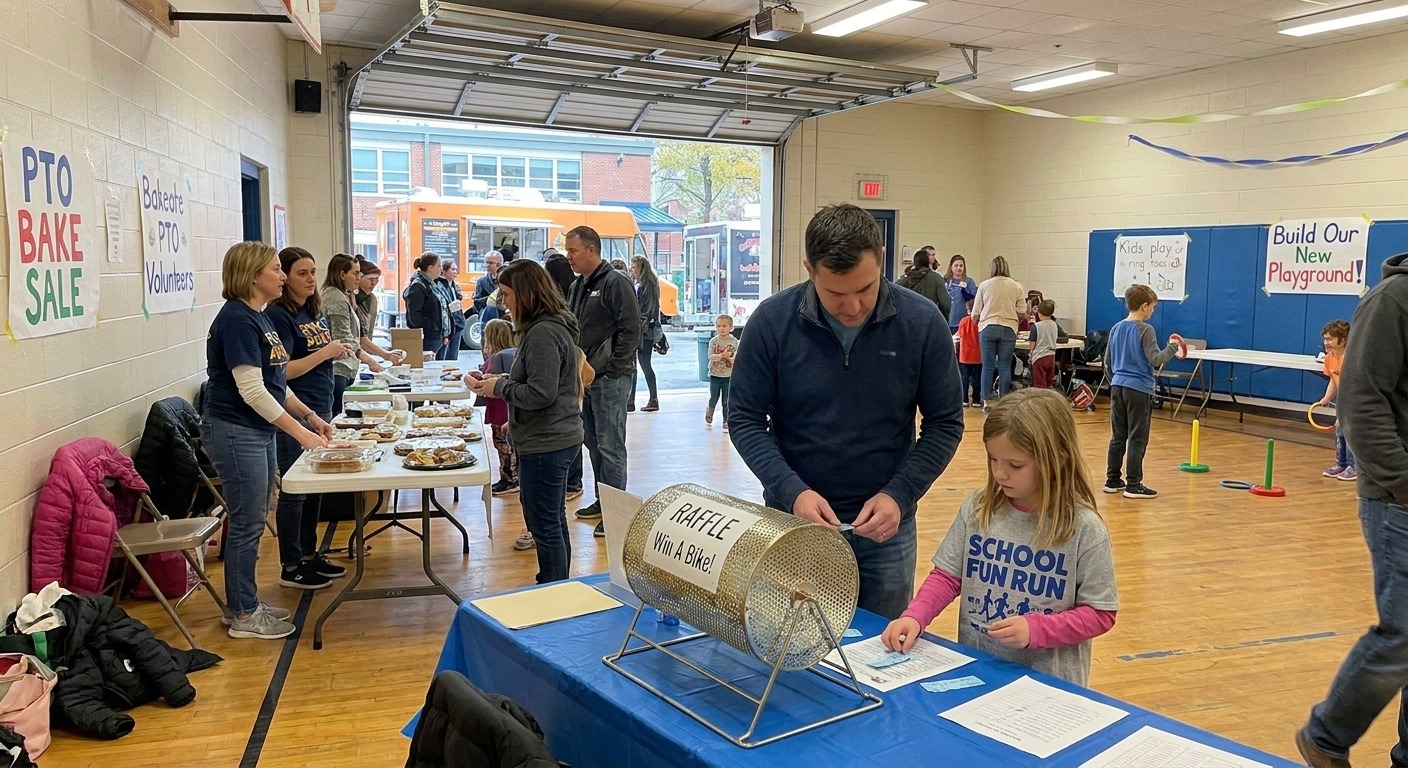
How to Organize a School Fundraiser That People Actually Show Up For
This guide shows PTO leaders and school volunteers how to plan a school fundraiser families genuinely want to attend by focusing on community, convenience, and a thoughtful guest experience.

Sign up for expert tips, exclusive content, and the 411 on the latest parties—all straight to your inbox.
Your shortcut to stress-free hosting
Spend less time coordinating and more time actually connecting.